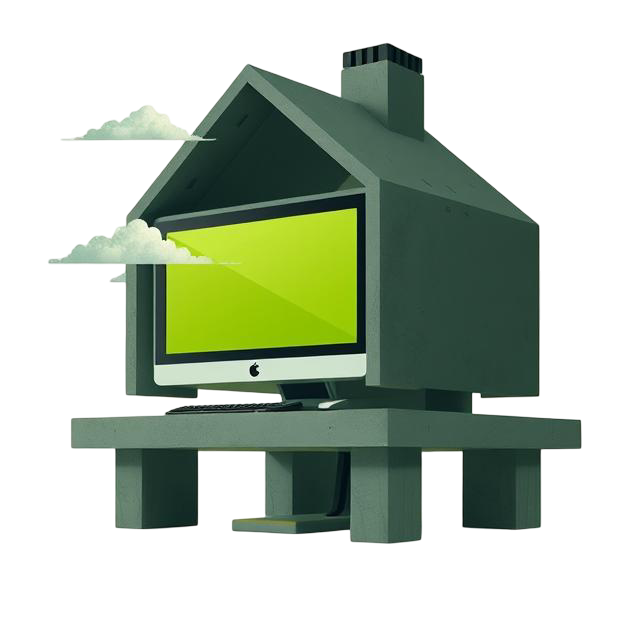
BLOCKCHAIN
HOUSING
PROJECT

DECENTRALIZED HOUSING
SOLUTIONS

A NEW CONCEPT
IN HOUSING

The world is in constant motion. For a growing segment of the population, traveling is easier, safer, and more accessible than ever —and with more incentives to do so: work, family, events, tourism, and friendships.
 
The internet democratized information and shrank distances, while mobile phones have freed us from the need for a fixed house or office to stay connected and navigate the world.
 
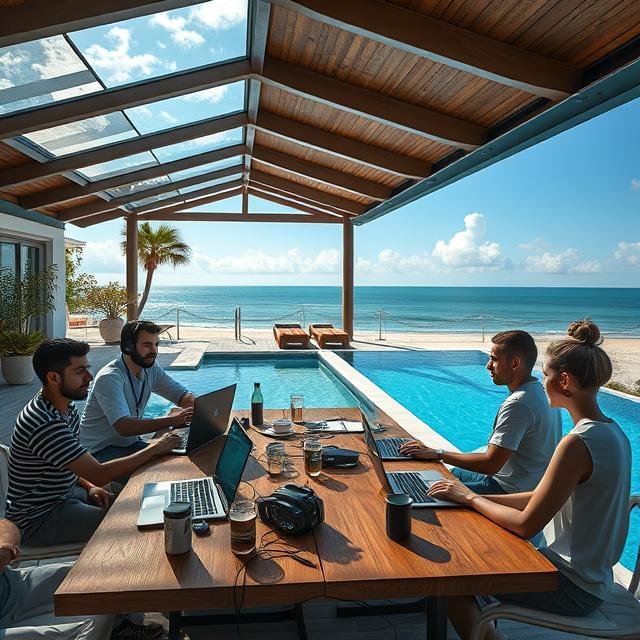
Remote work is a dynamic society has embraced, and the lifestyle of digital nomads is many times incompatible with the idea of owning and maintaining a house (or with your typical rental lease).
At the same time, there is a declining trend towards forming nuclear families and settling down permanently.

5.0

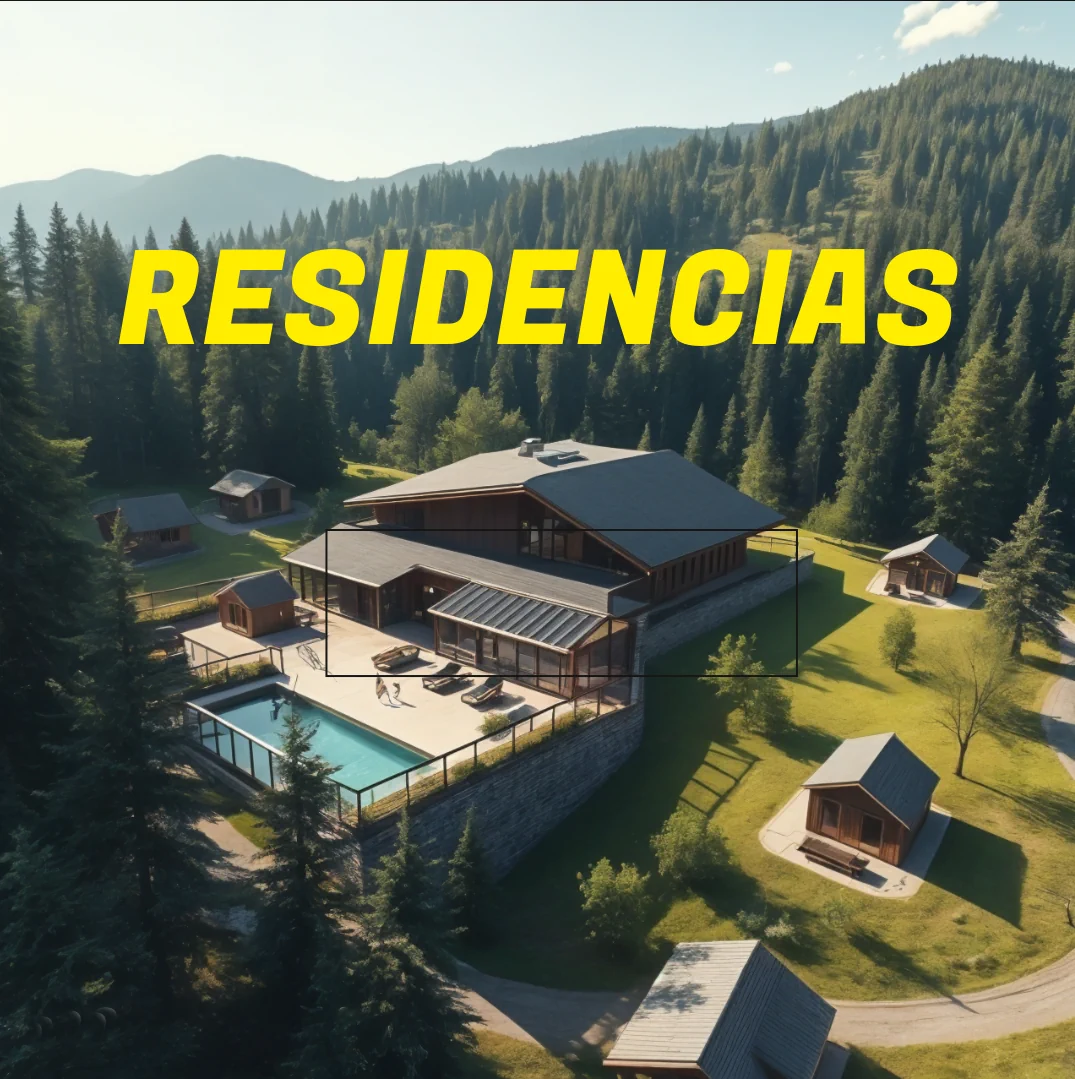
RESIDENCIES

Can you imagine living 4 months in the mountains, 4 on the coast, and the remaining four in the city or traveling around the globe?

What would it be like to arrive at a space specifically designed for the life of a digital nomad or seasonal worker?

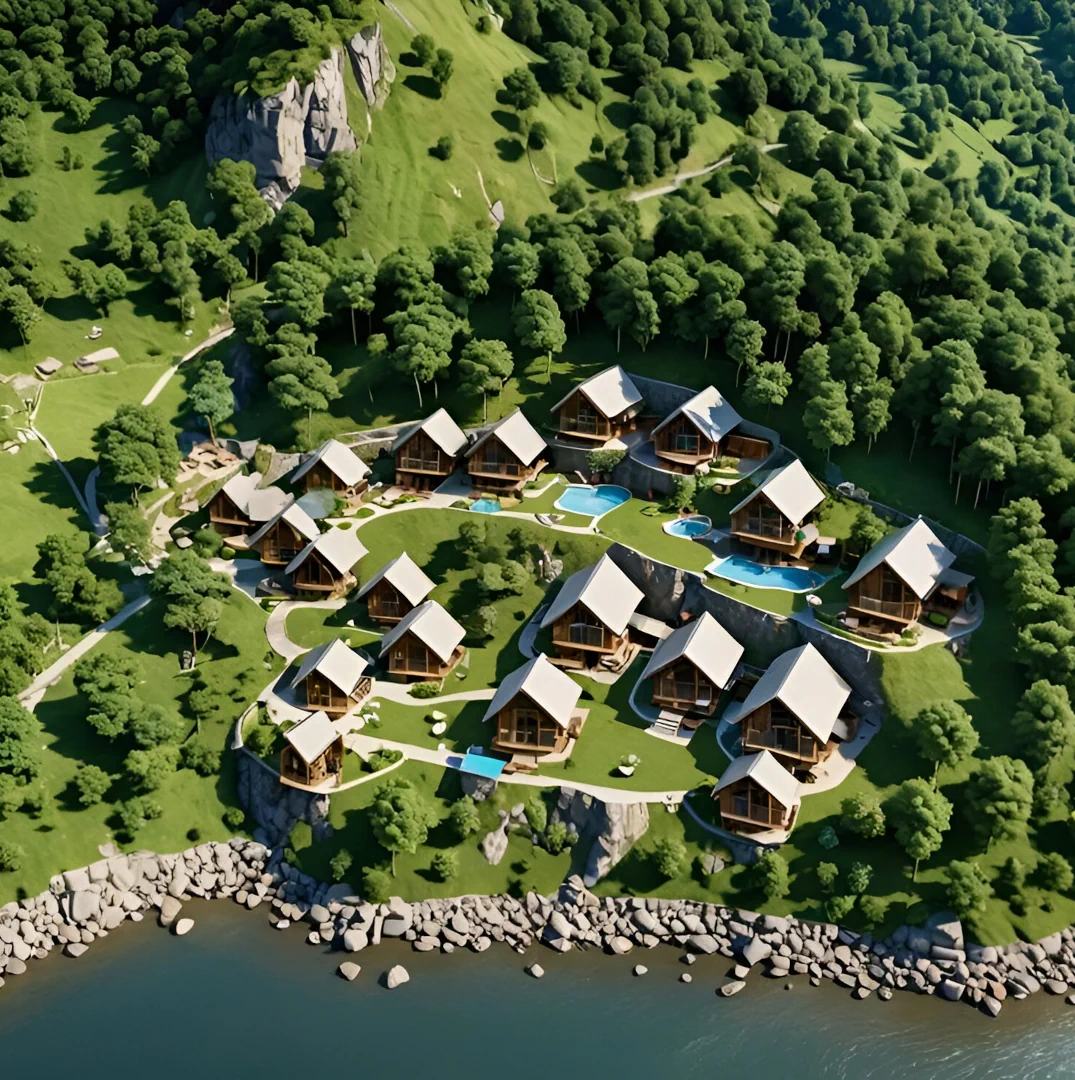
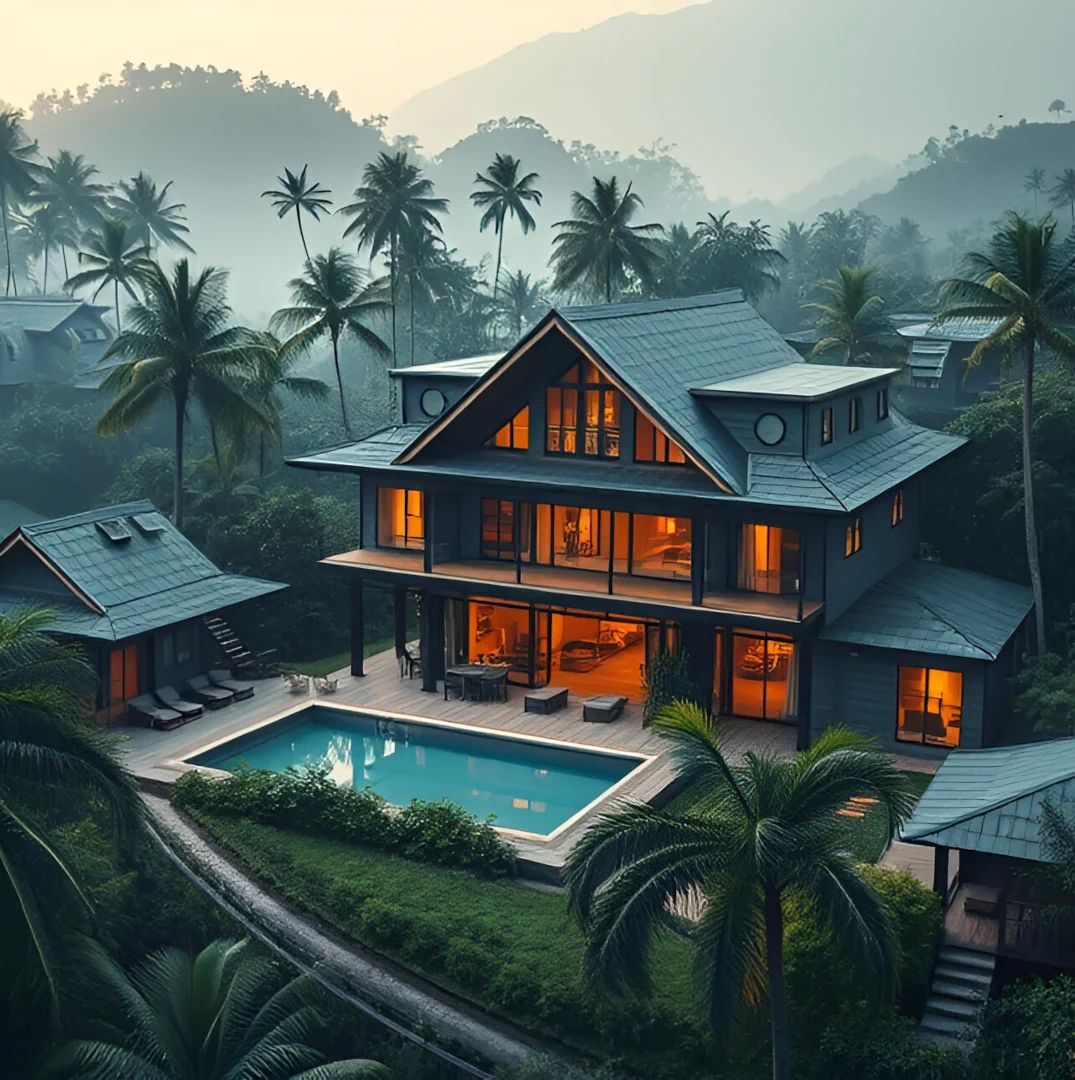
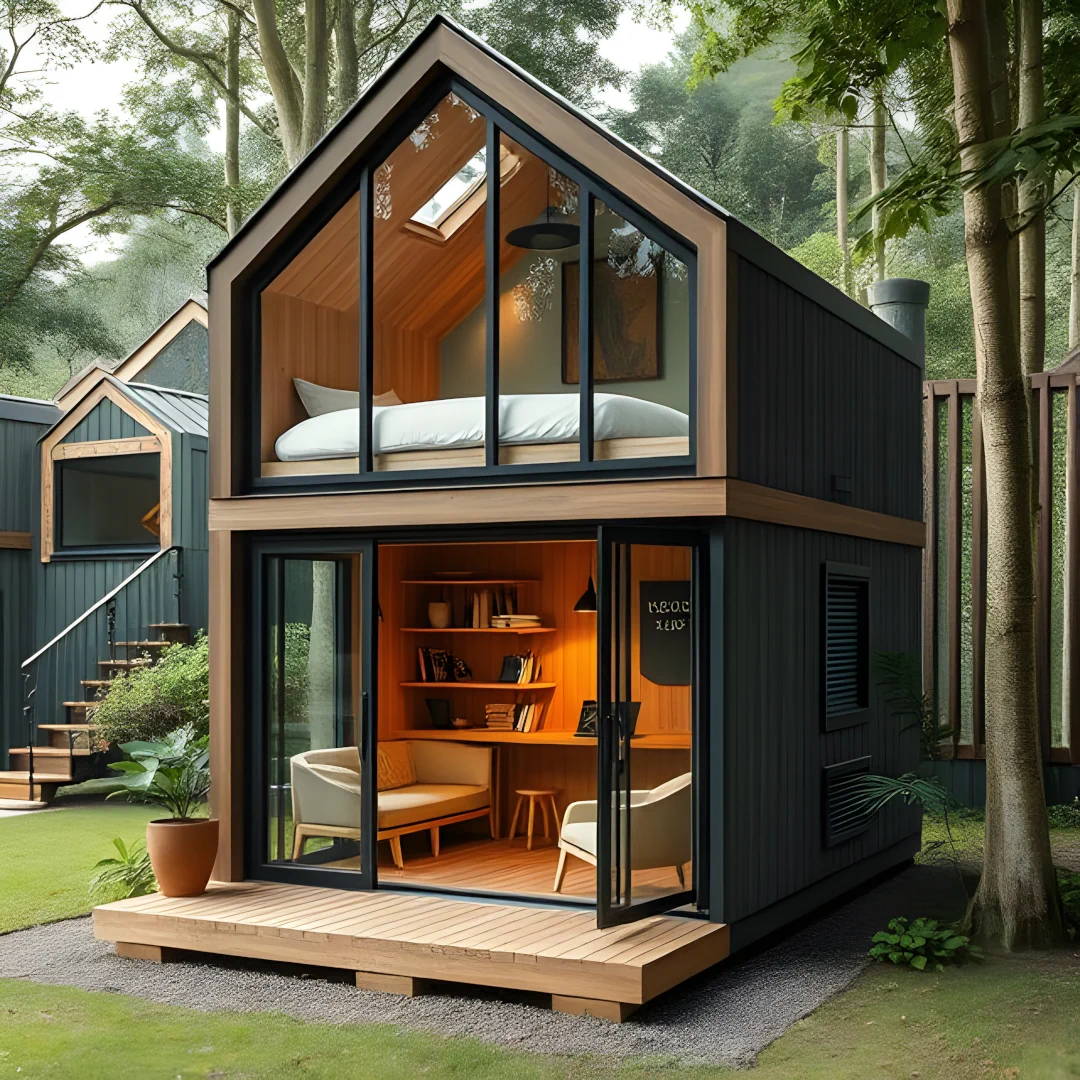
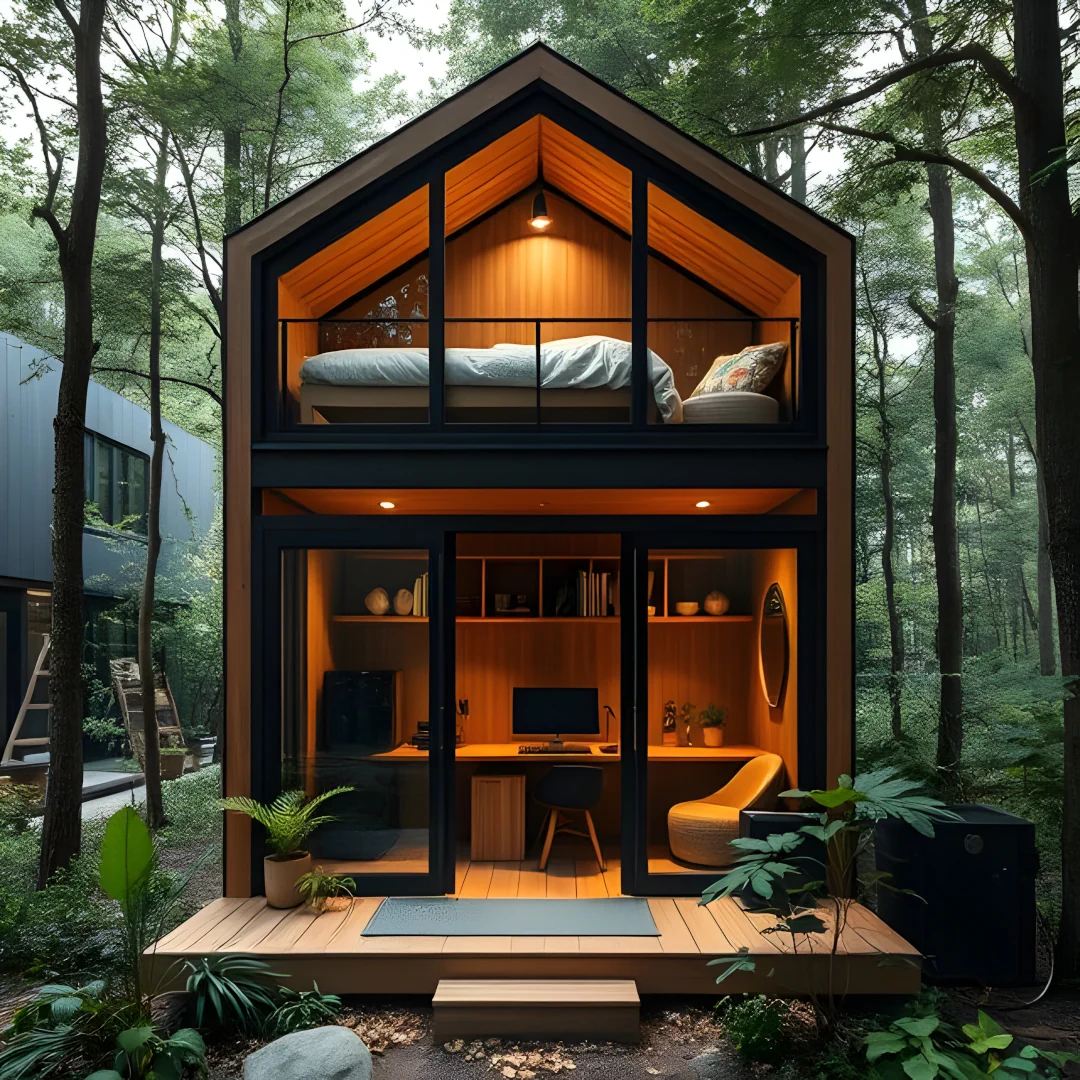
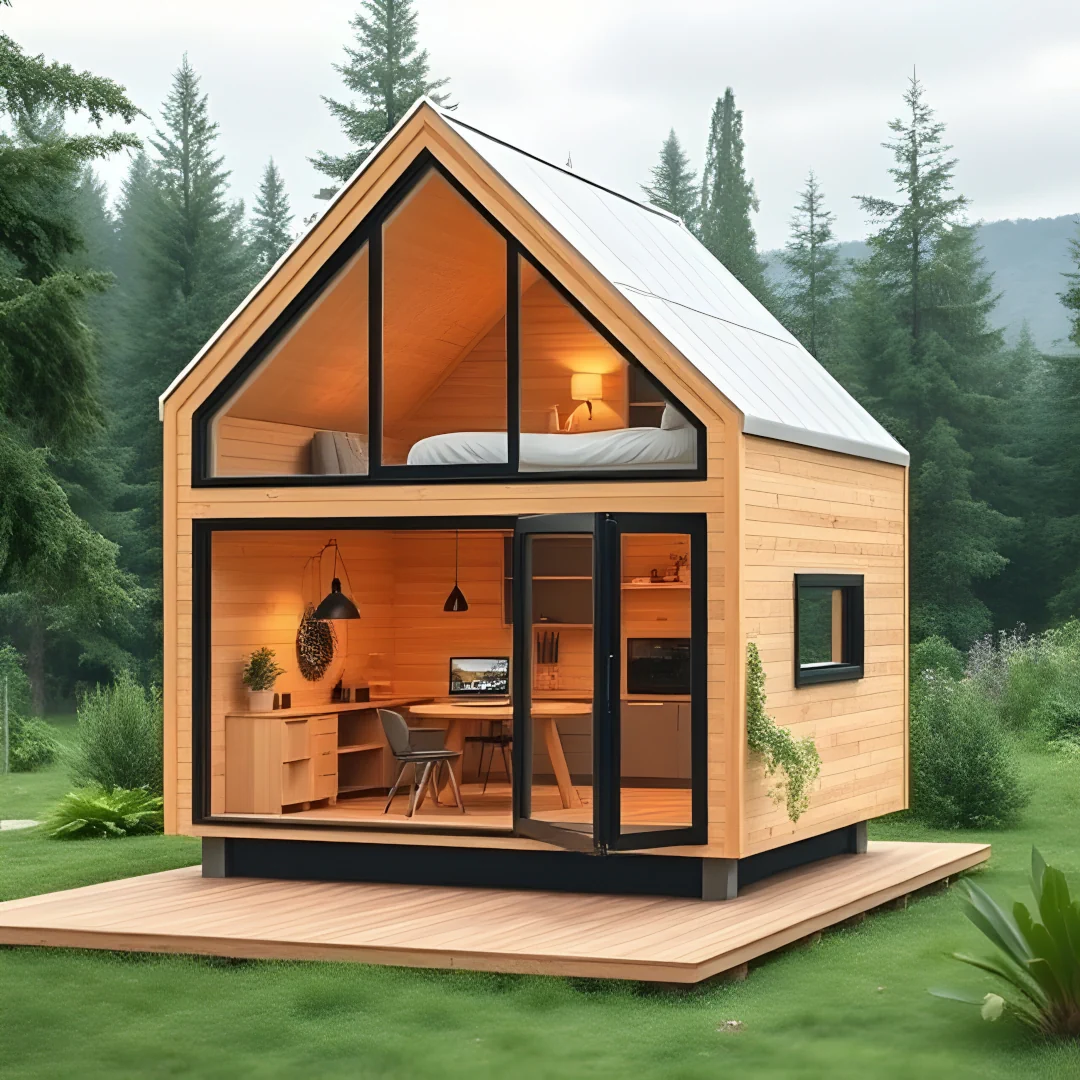
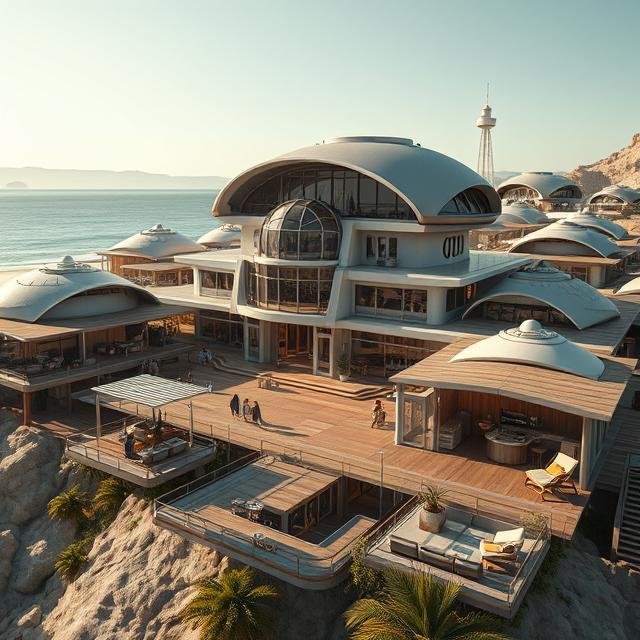
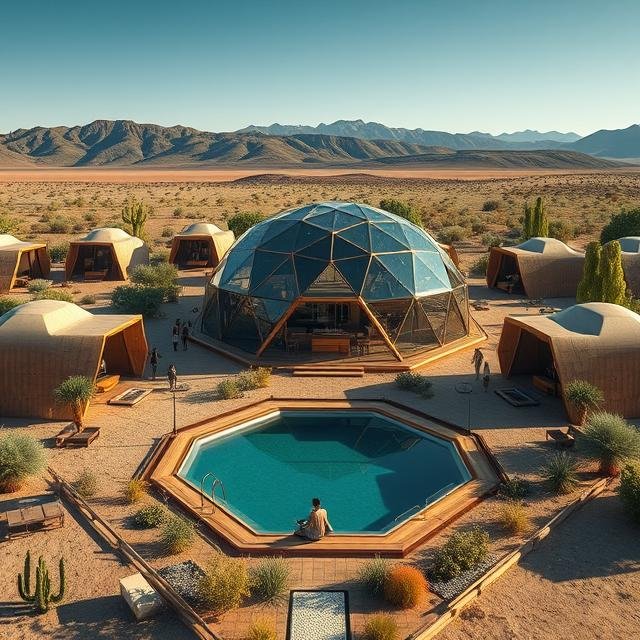
Blockchain Housing Project is precisely that: a network of spaces conceived and optimized for practicality, privacy, comfort and productivity.
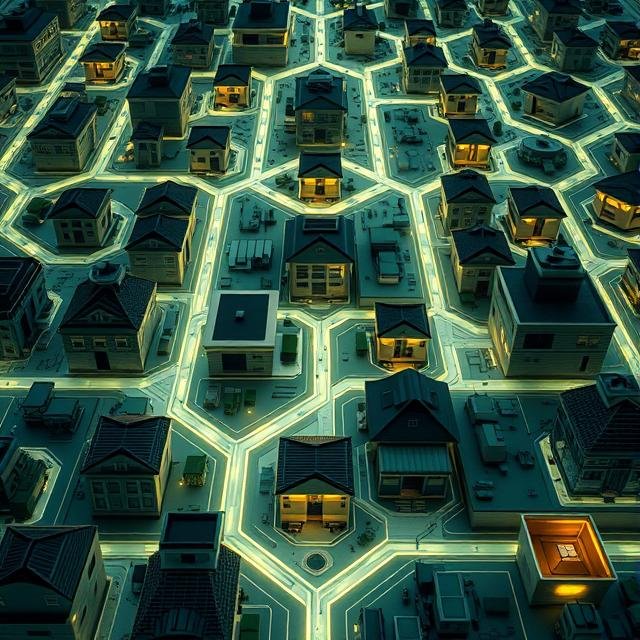
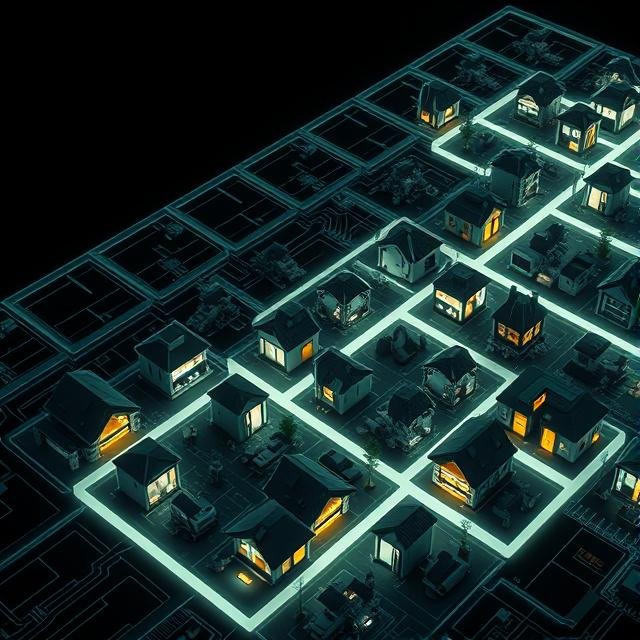
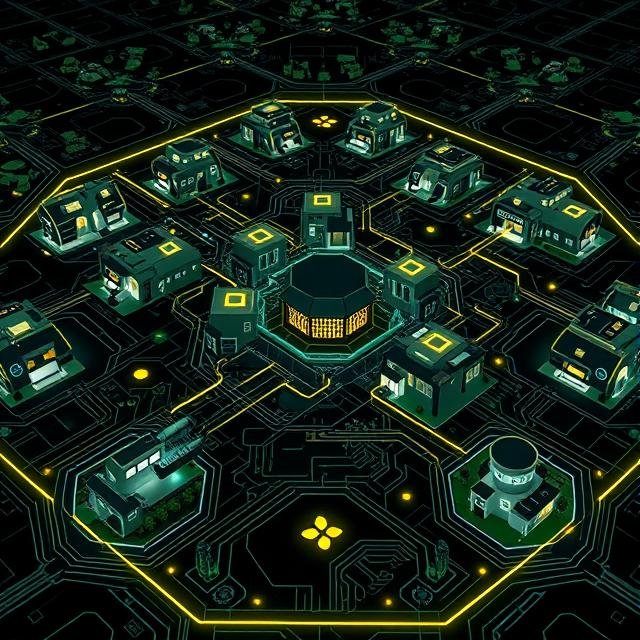
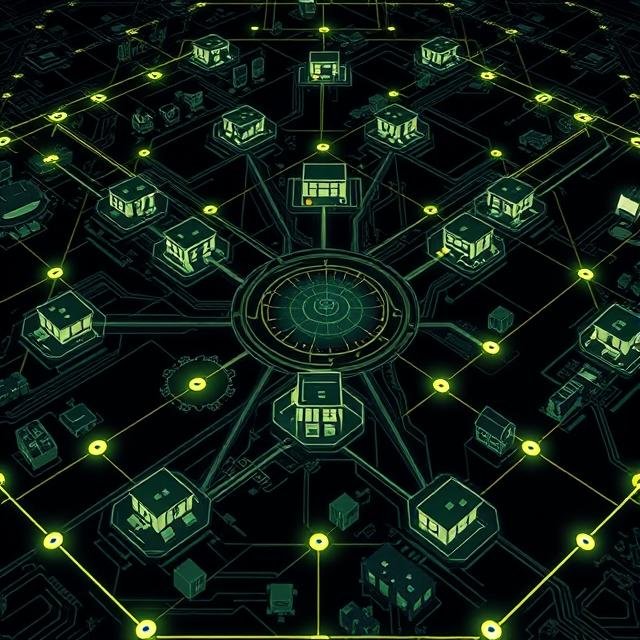
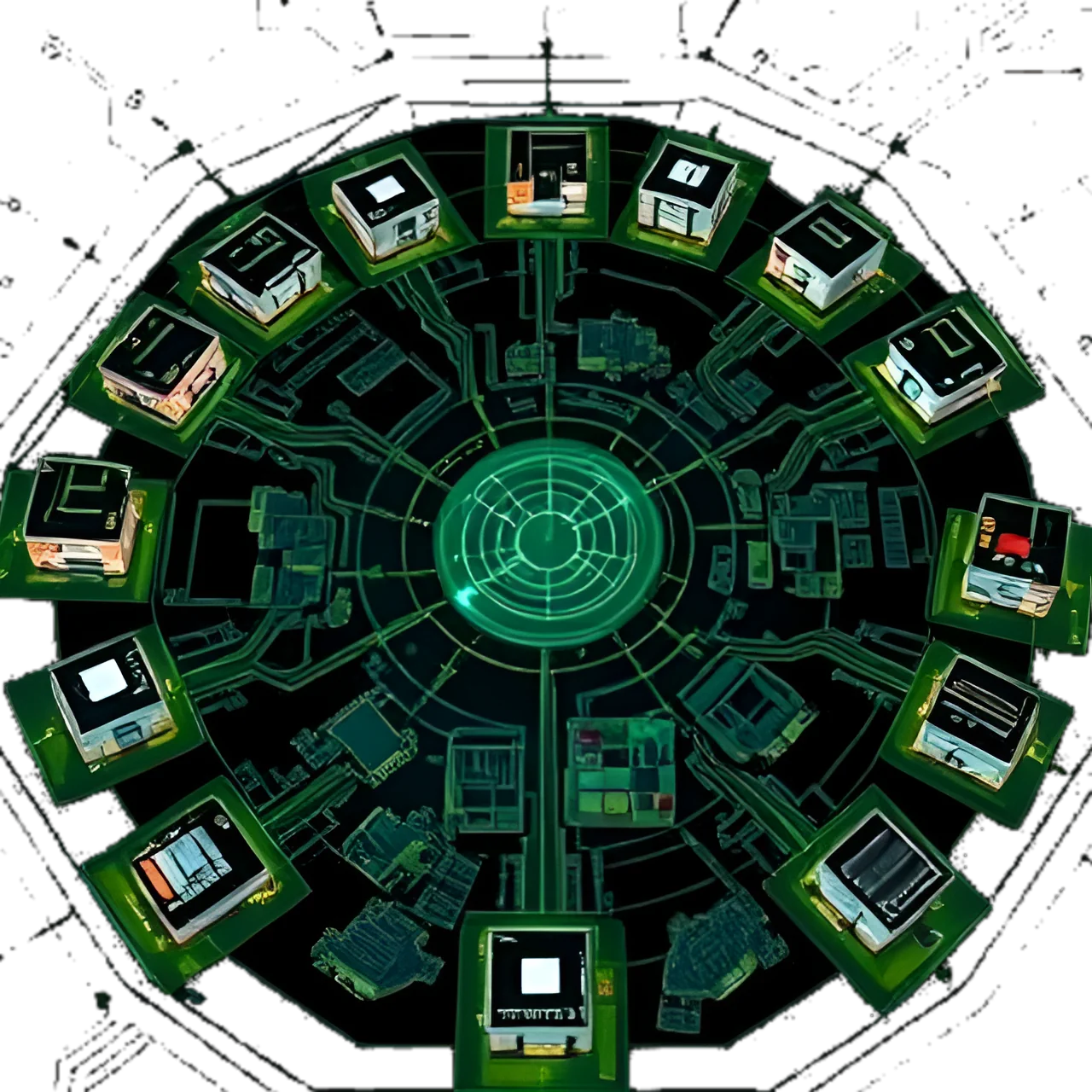
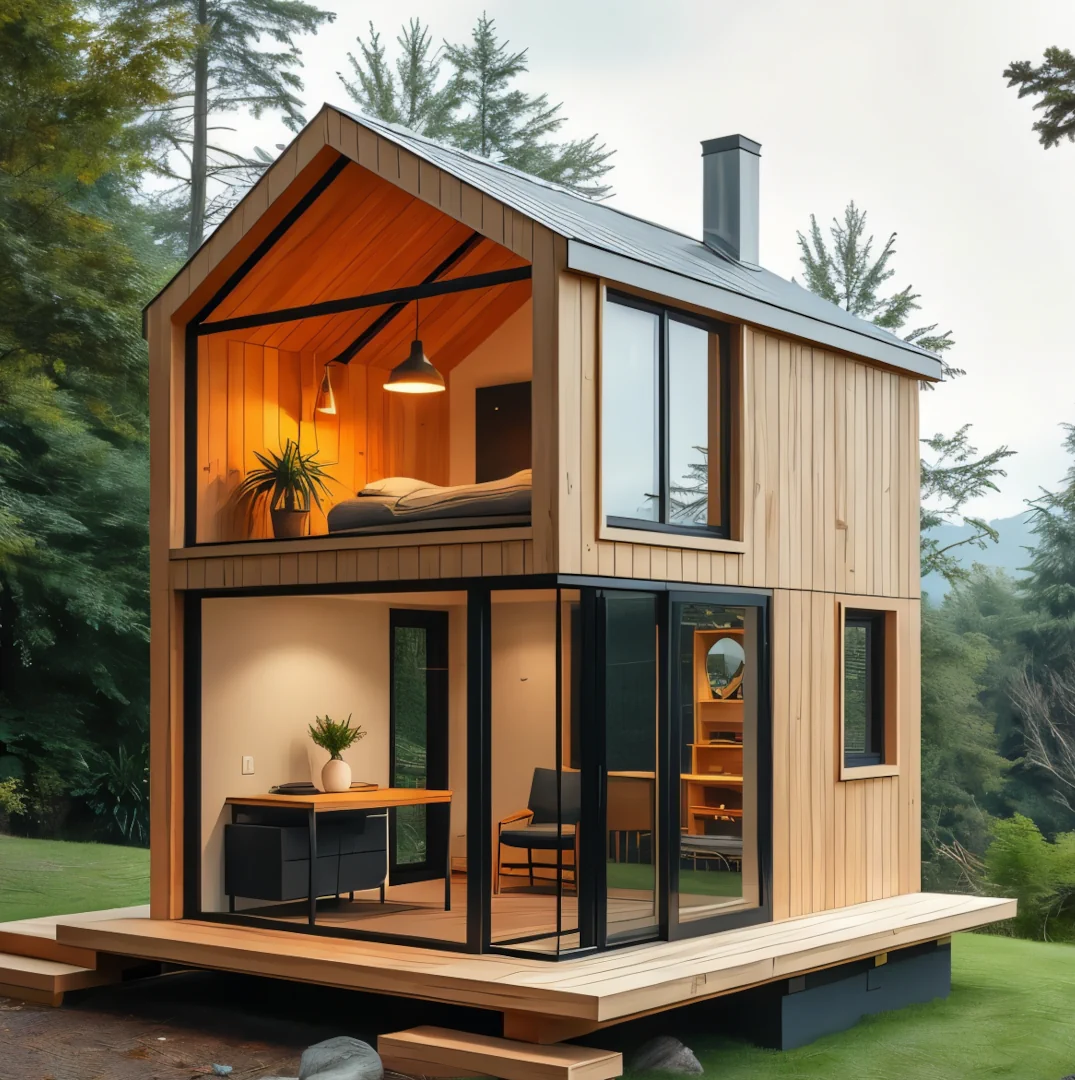
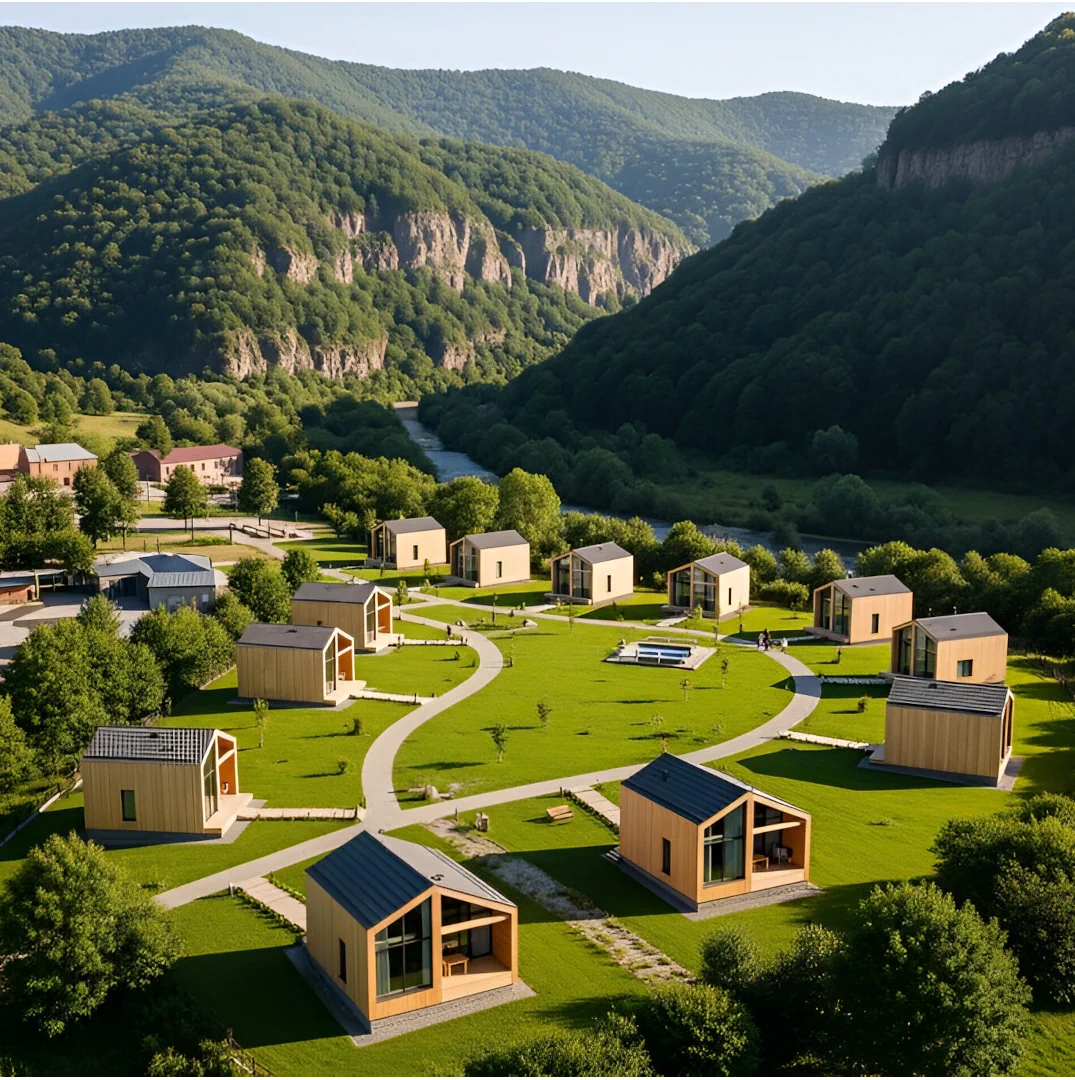
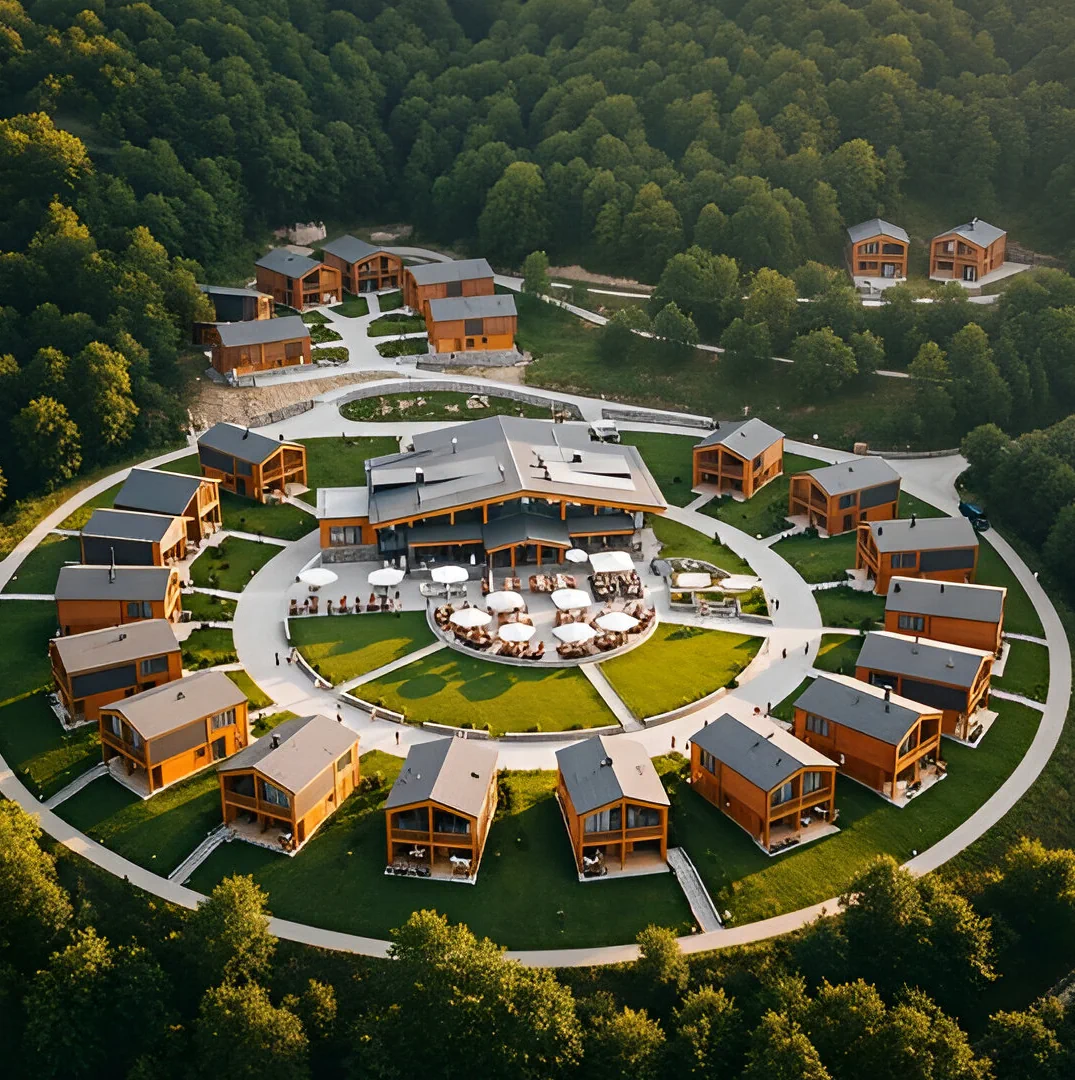
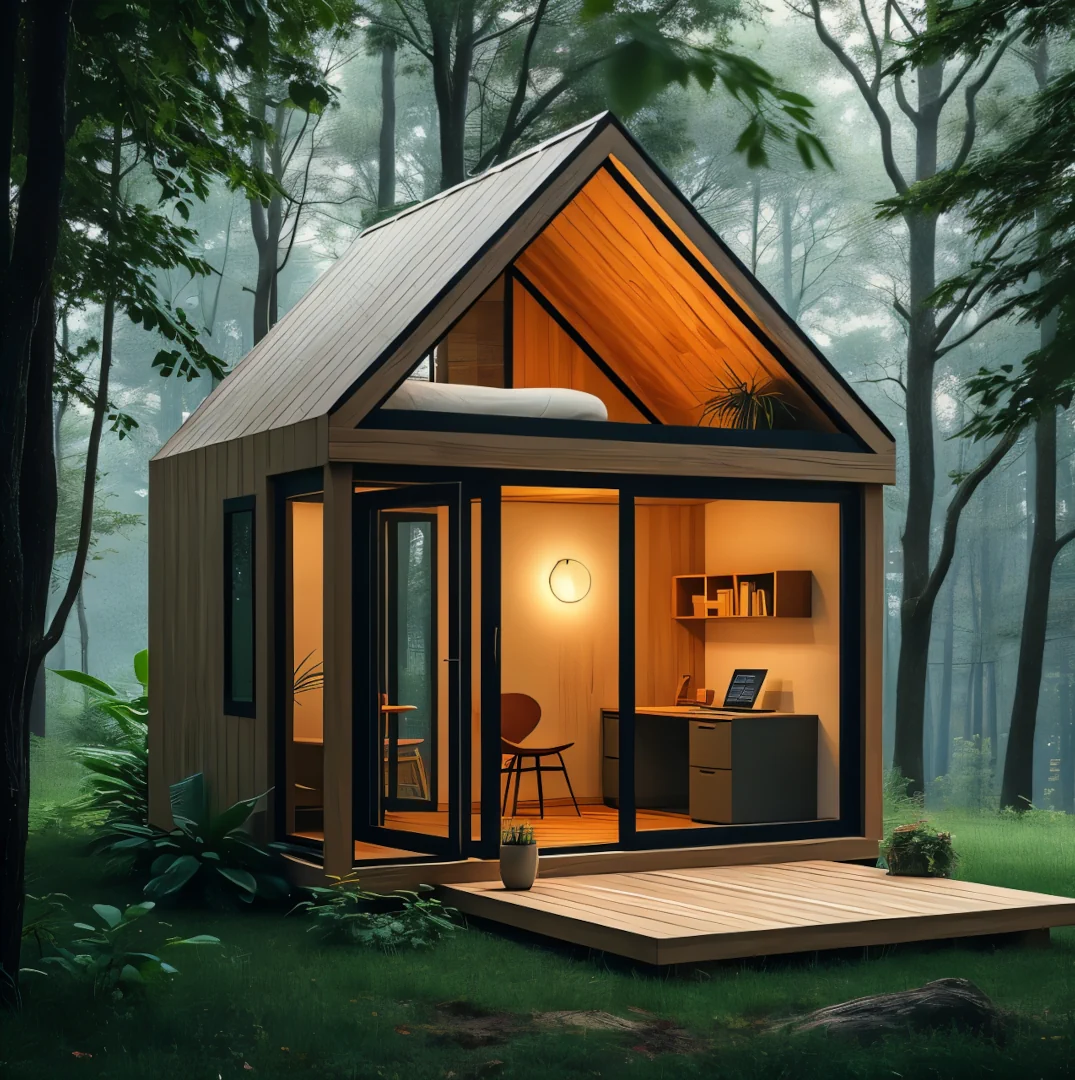
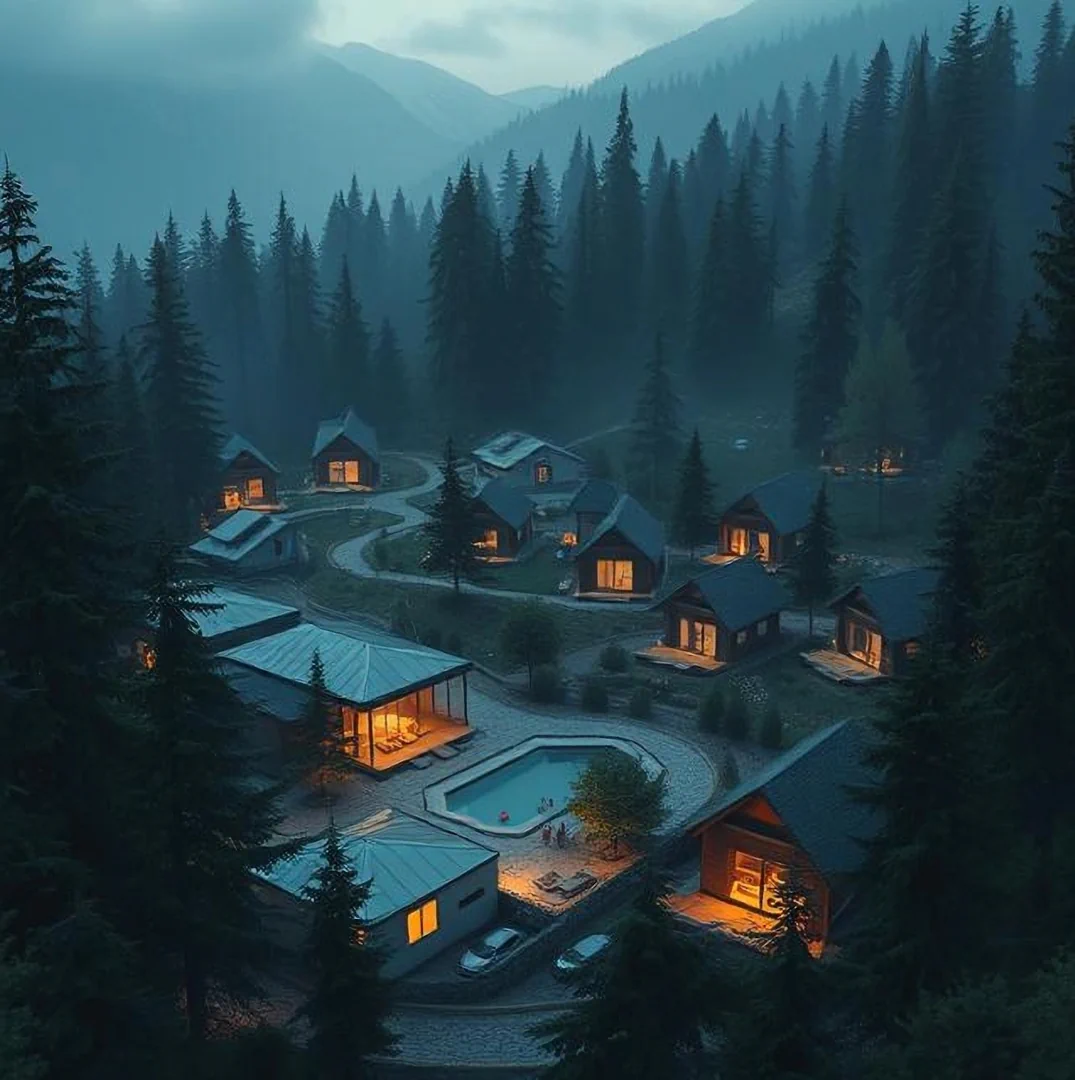
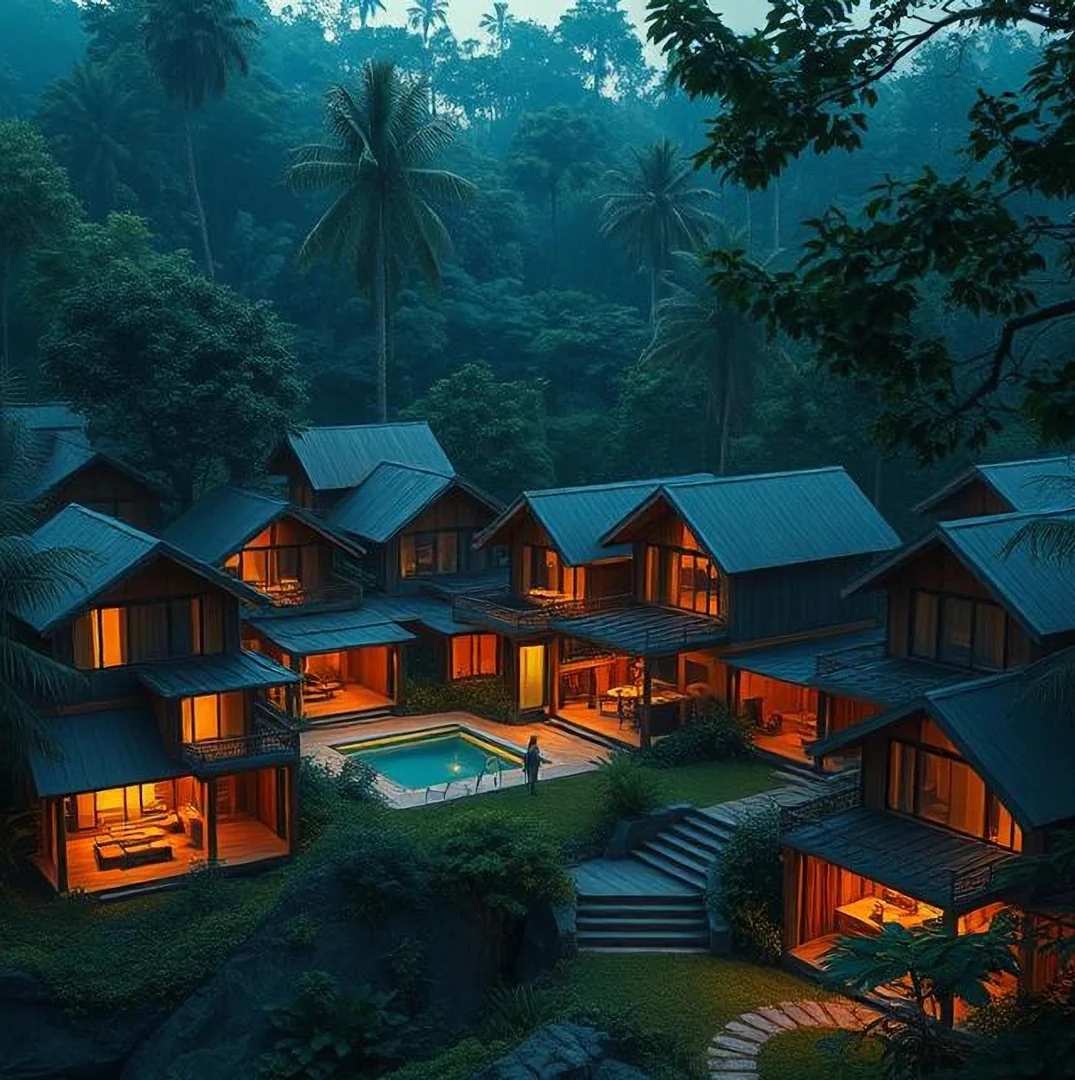
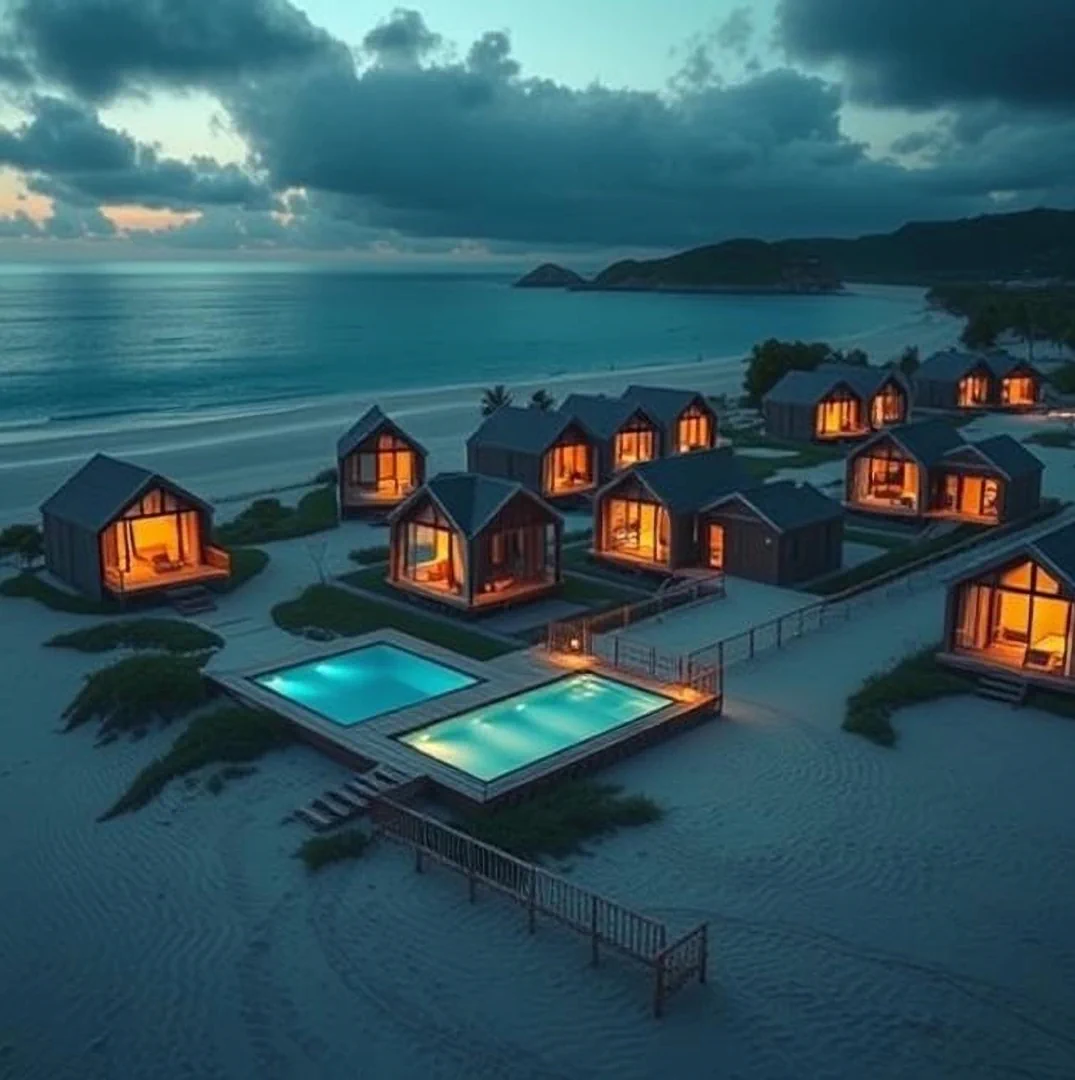
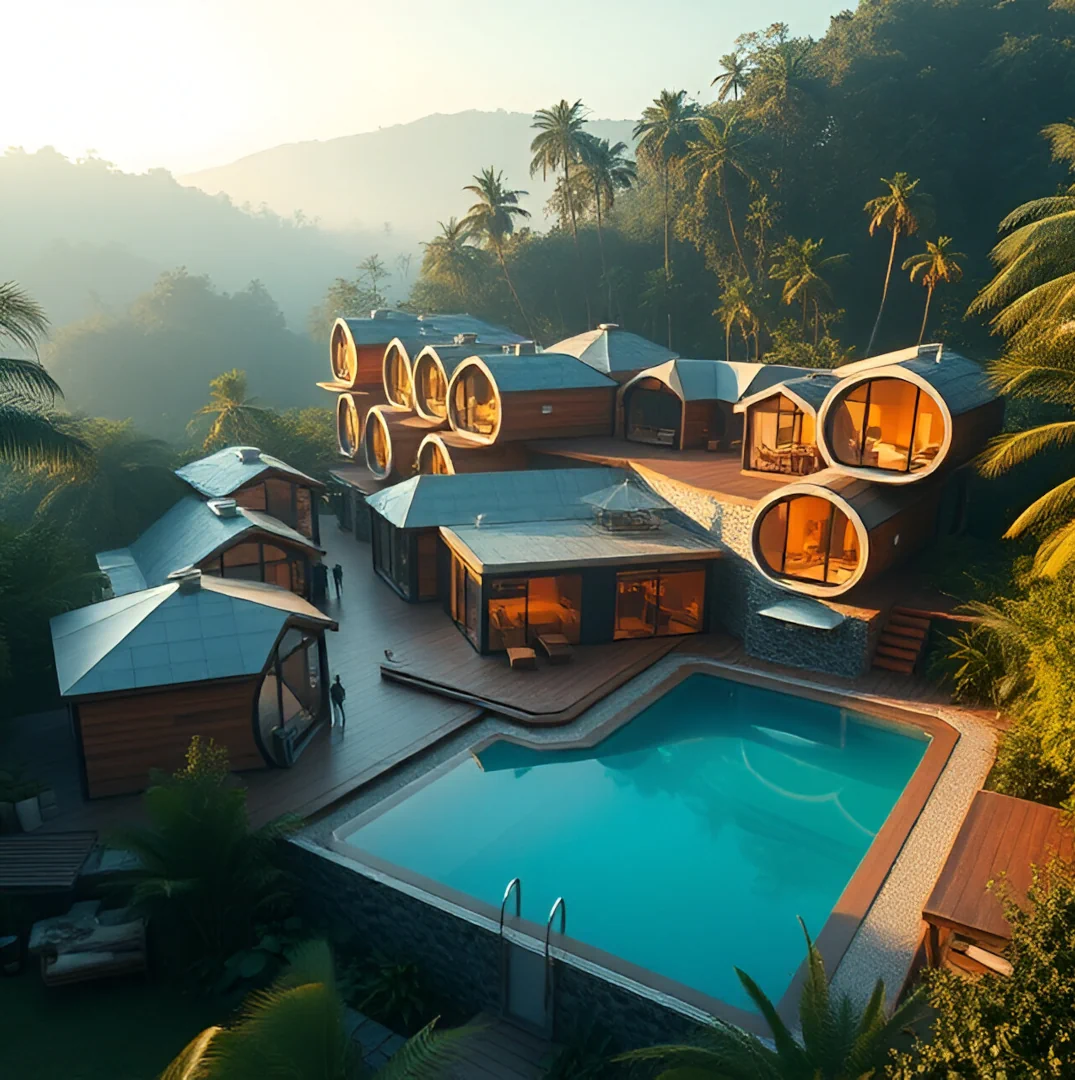
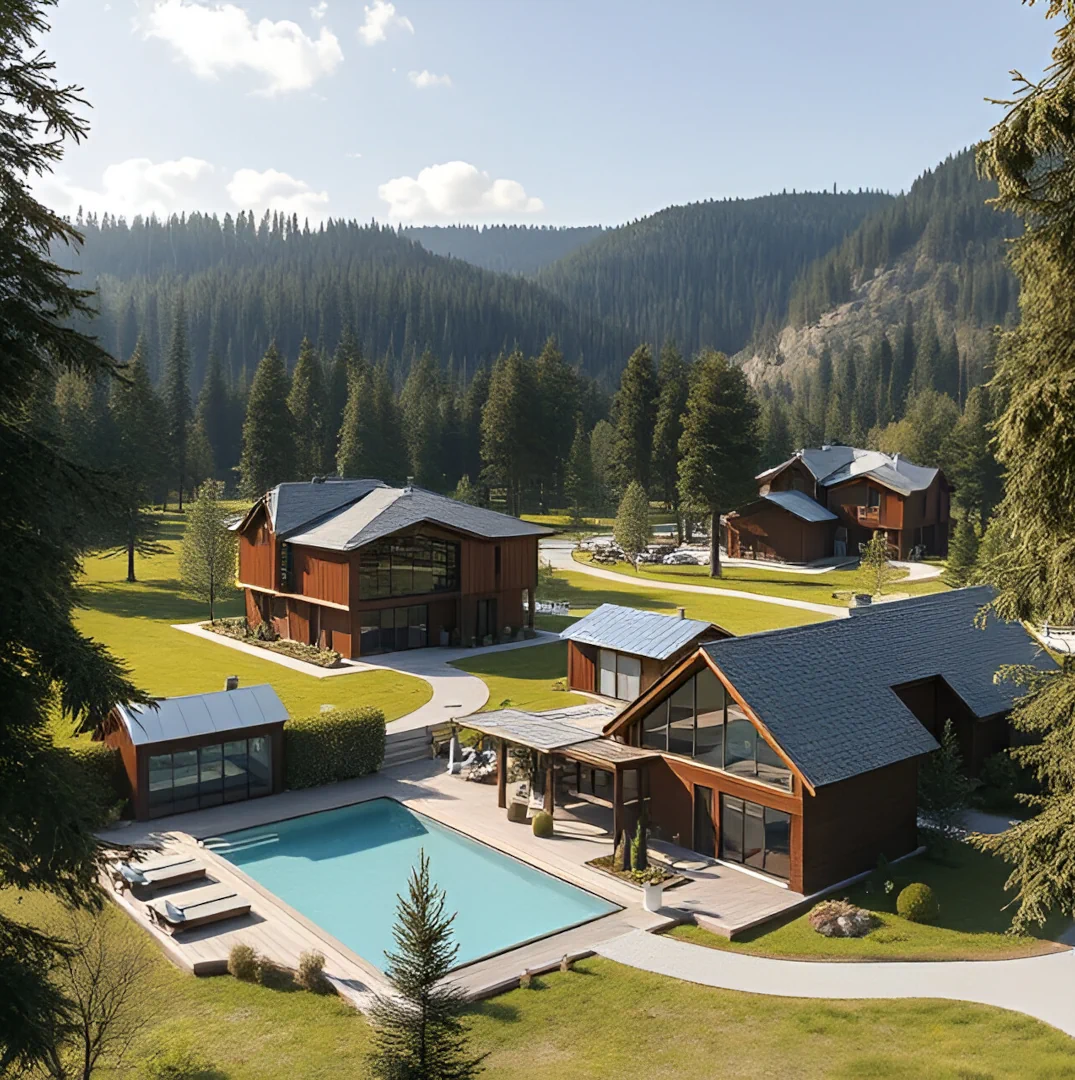
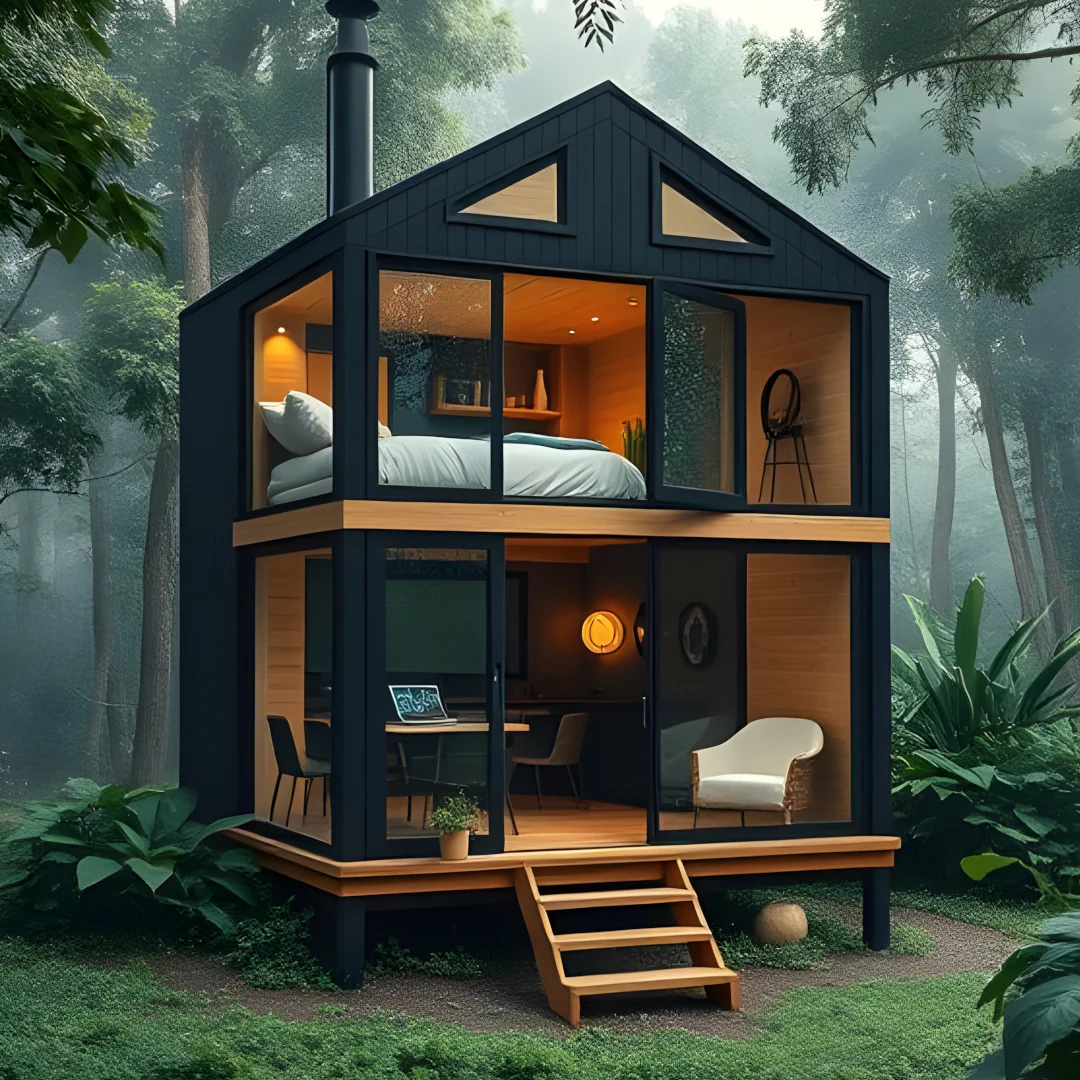
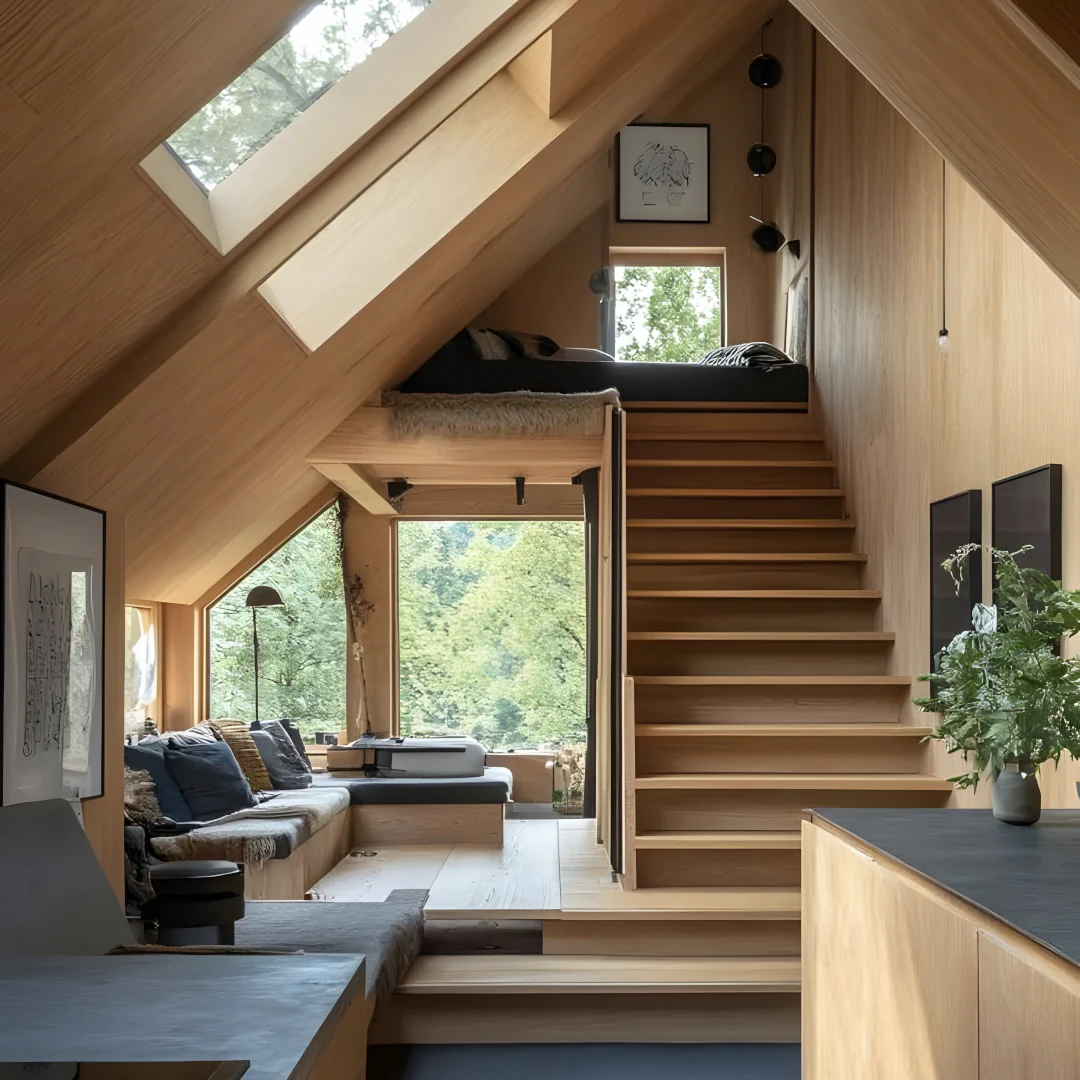
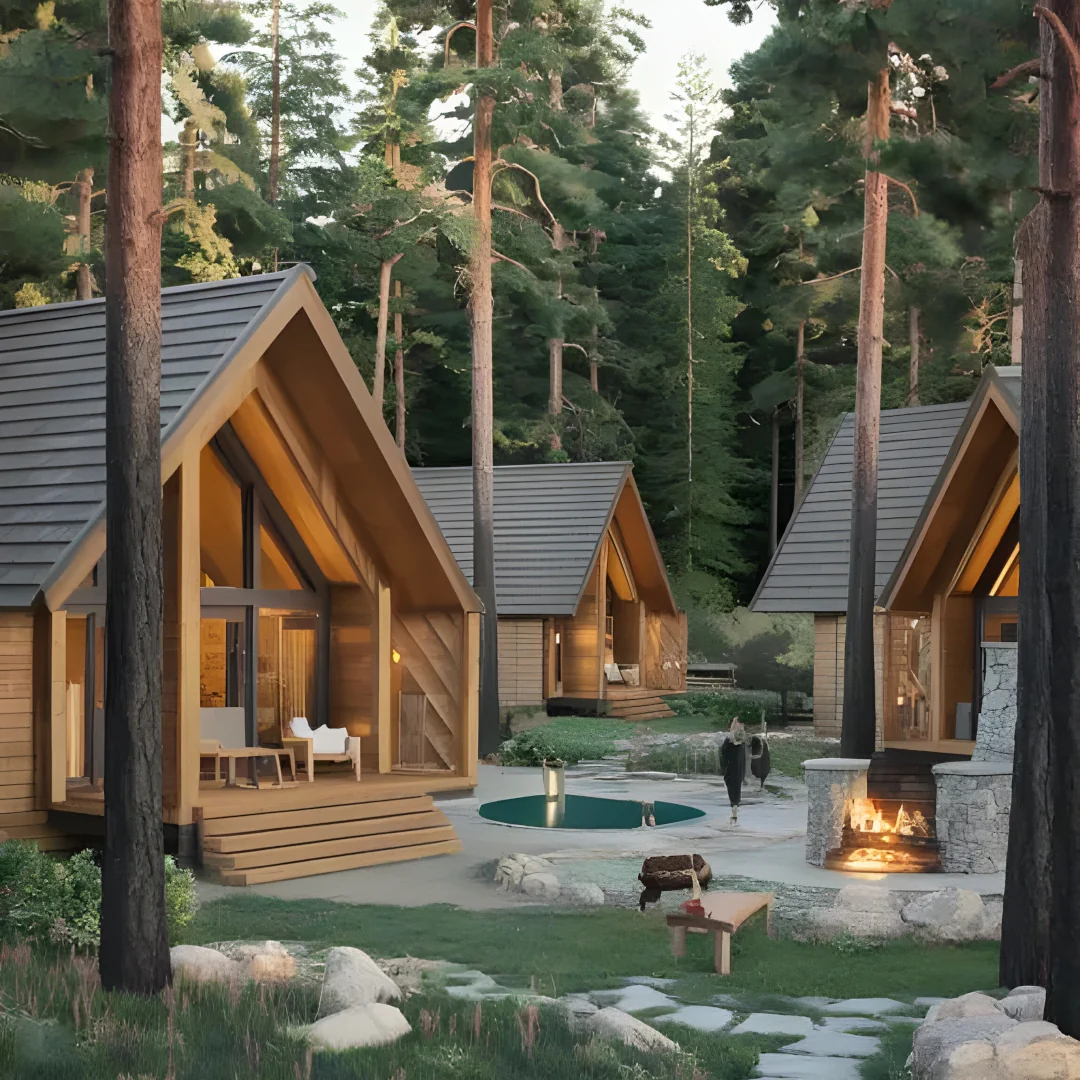
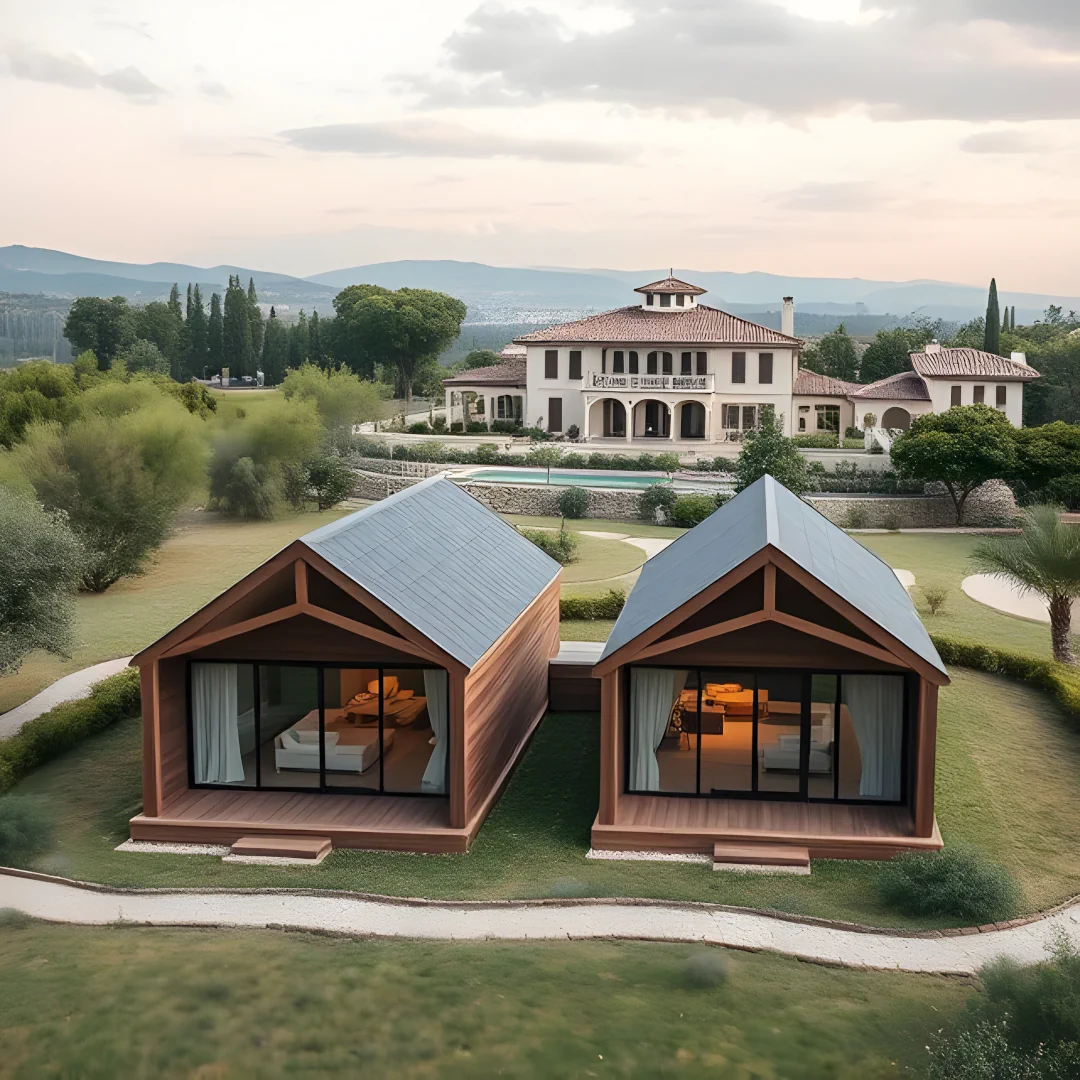
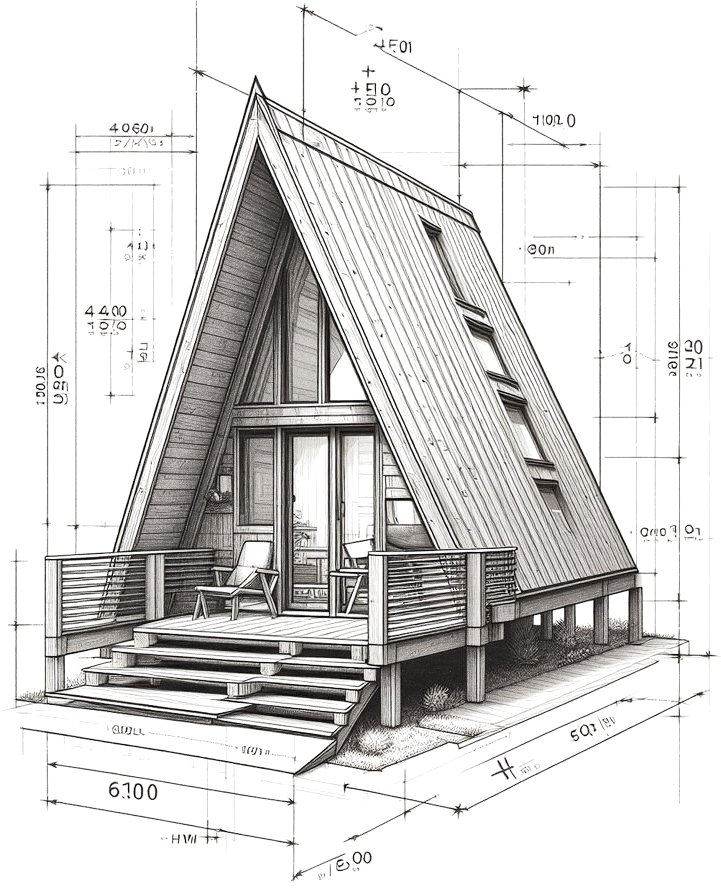
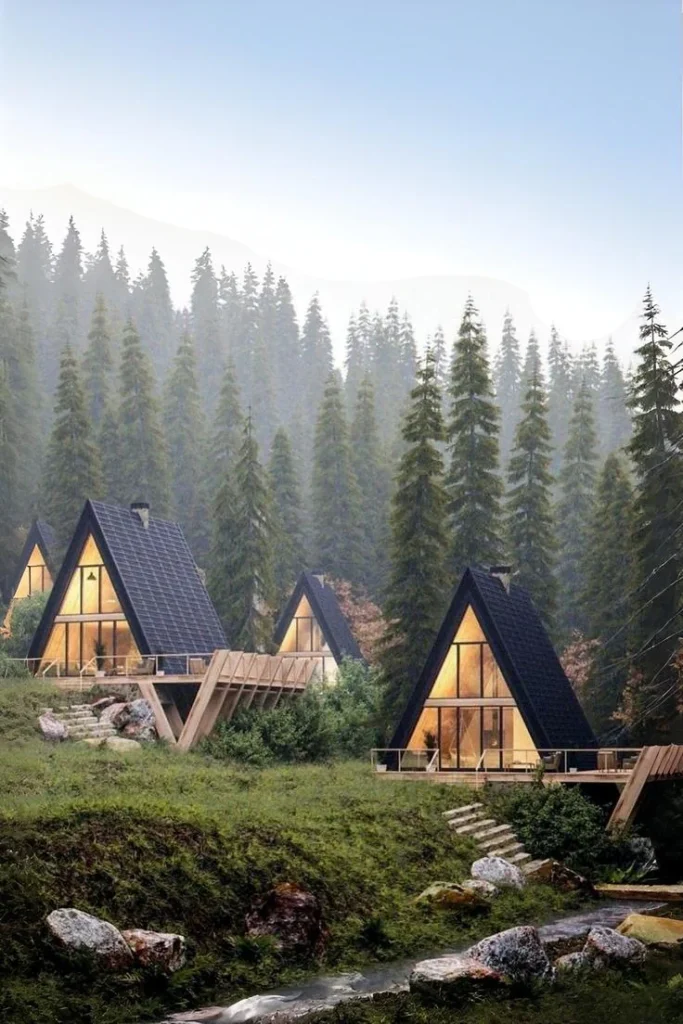
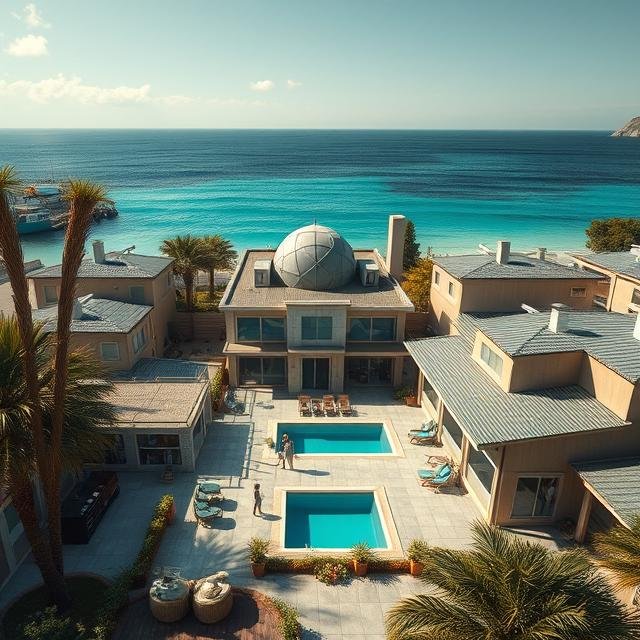
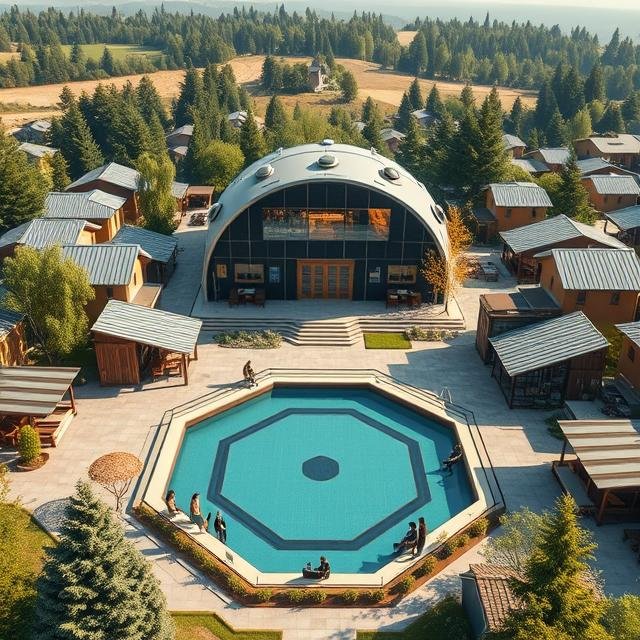
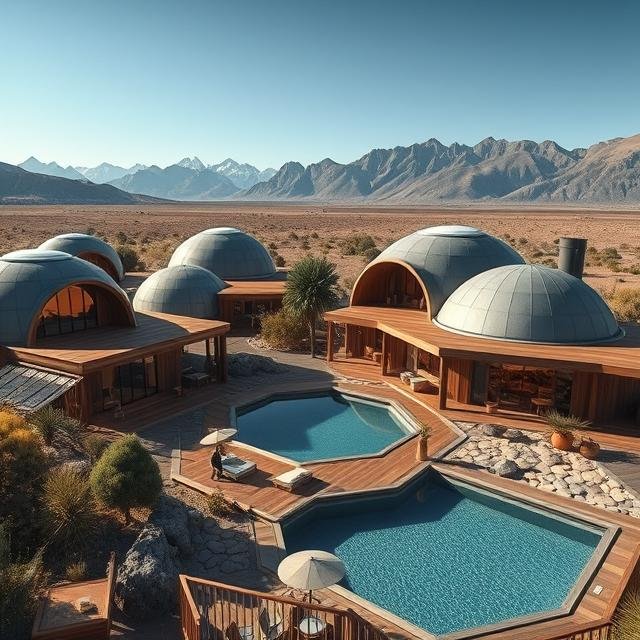
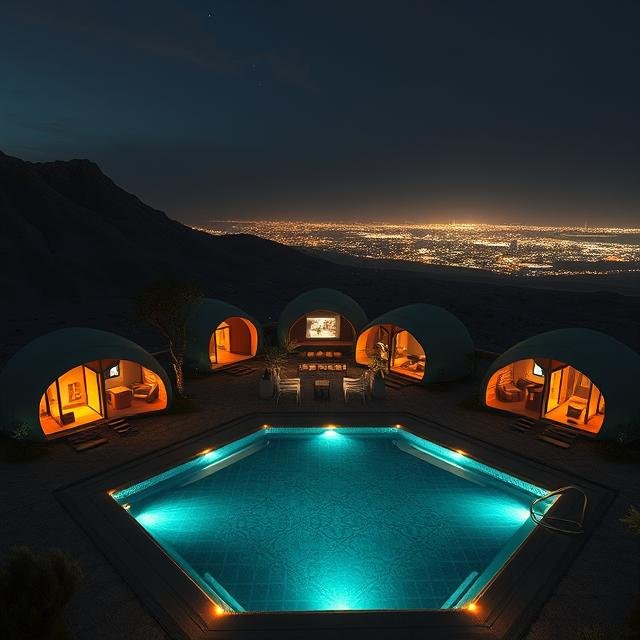
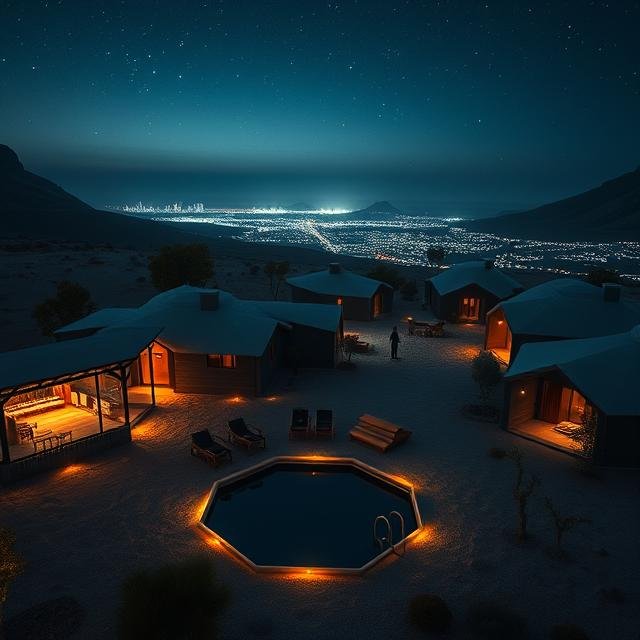
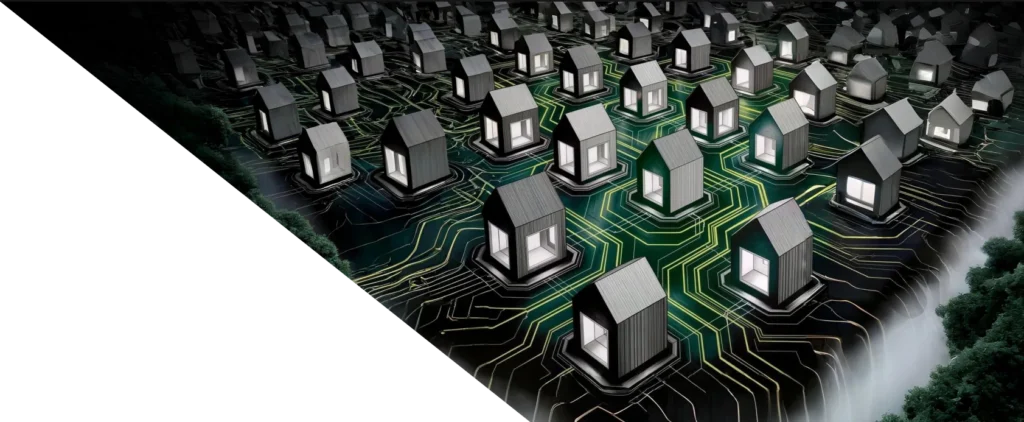
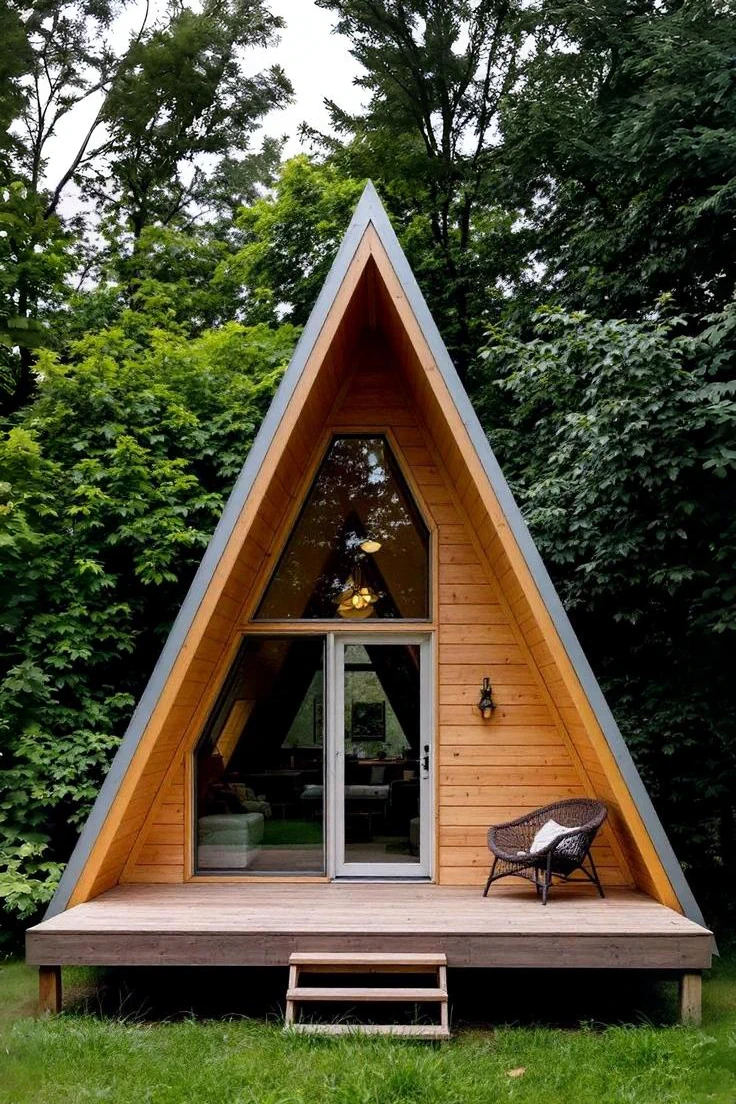
Each resident operates from their personal module or tiny house, connecting —when needed— with the community. This dynamic between the individual modules and common spaces (or “hubs”) facilitates collaboration and makes day-to-day life easier, while also keeping privacy intact.
 
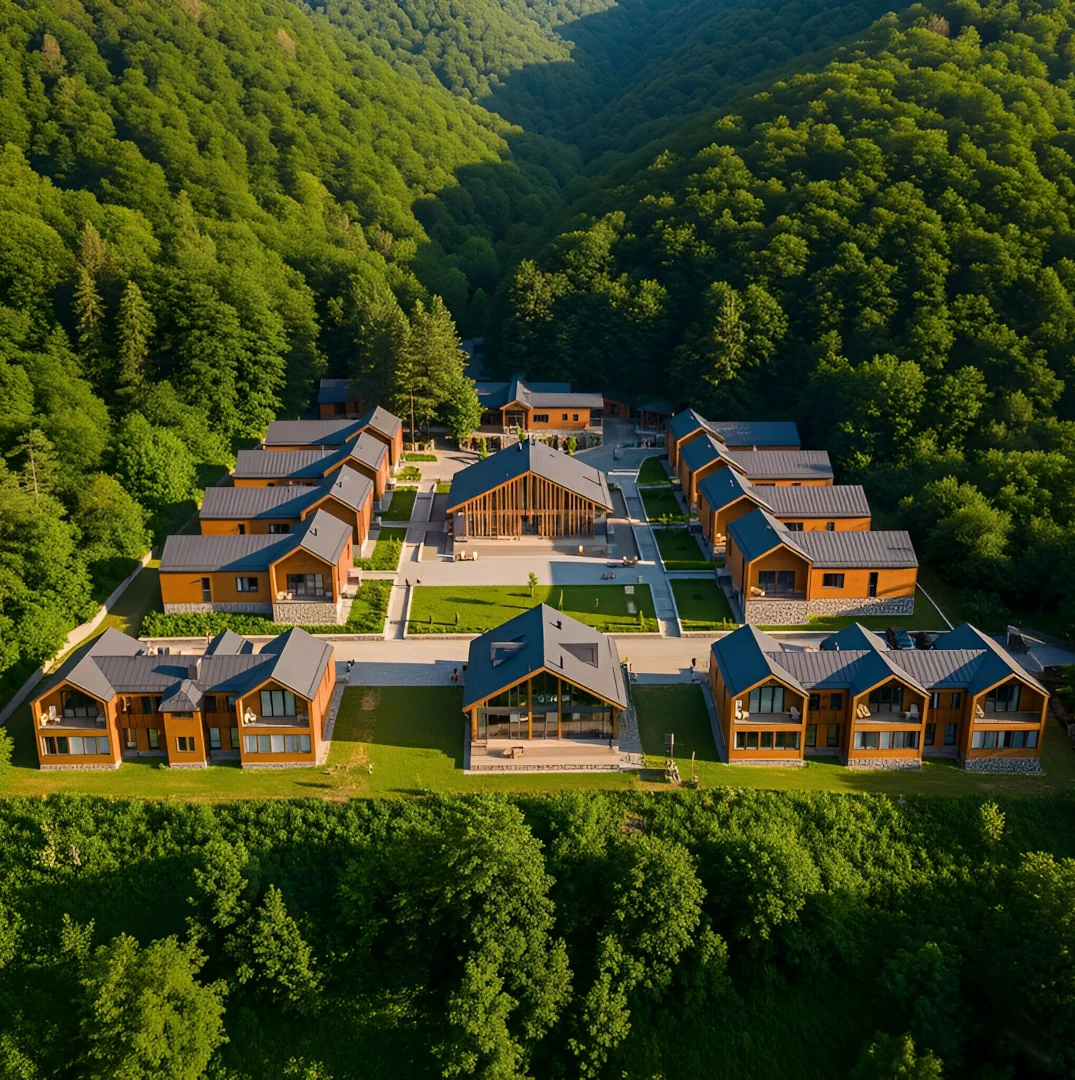
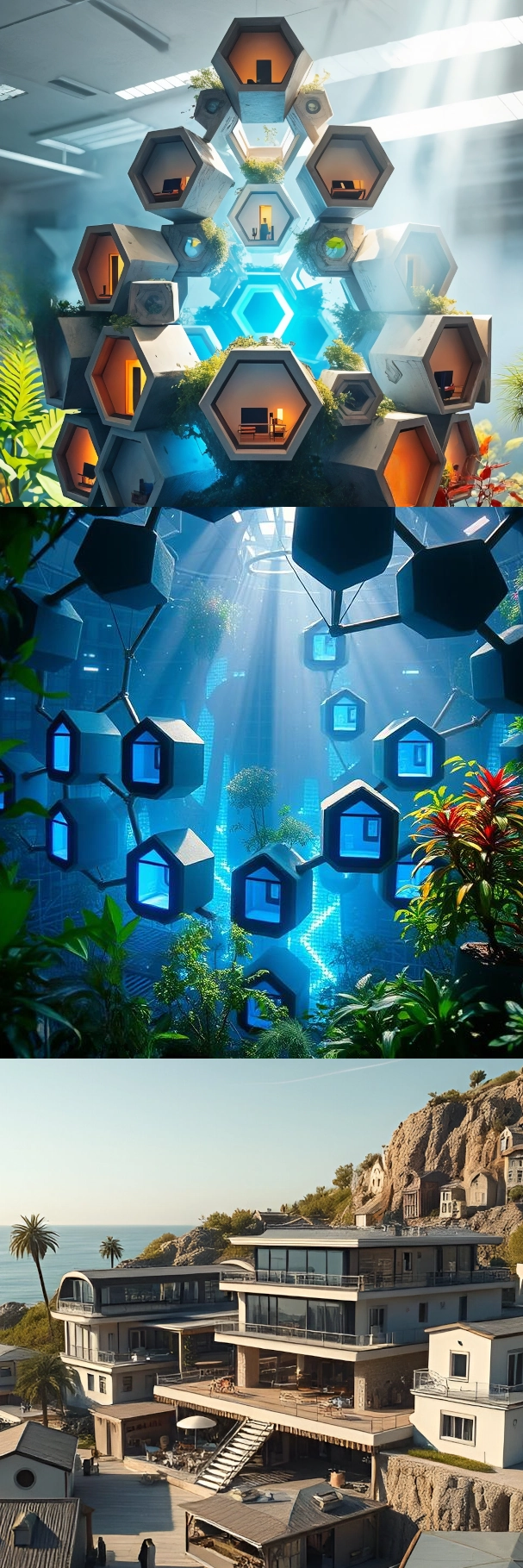
The existence of different nodes —cities, regions, countries— allows for mobility within the Network.

Innovation
and economies
of scale

The right balance between individualization and community can give us the best of both worlds.
 
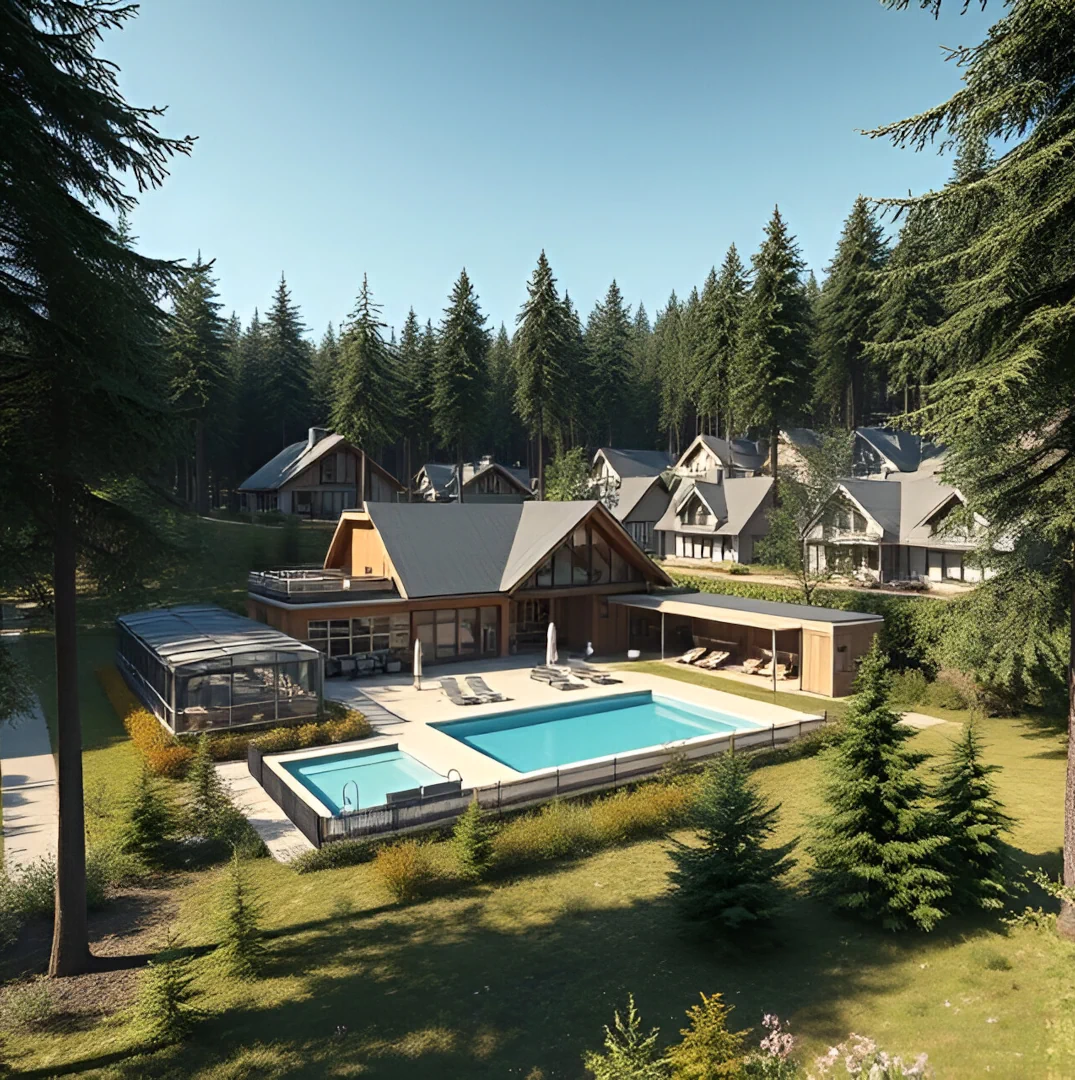
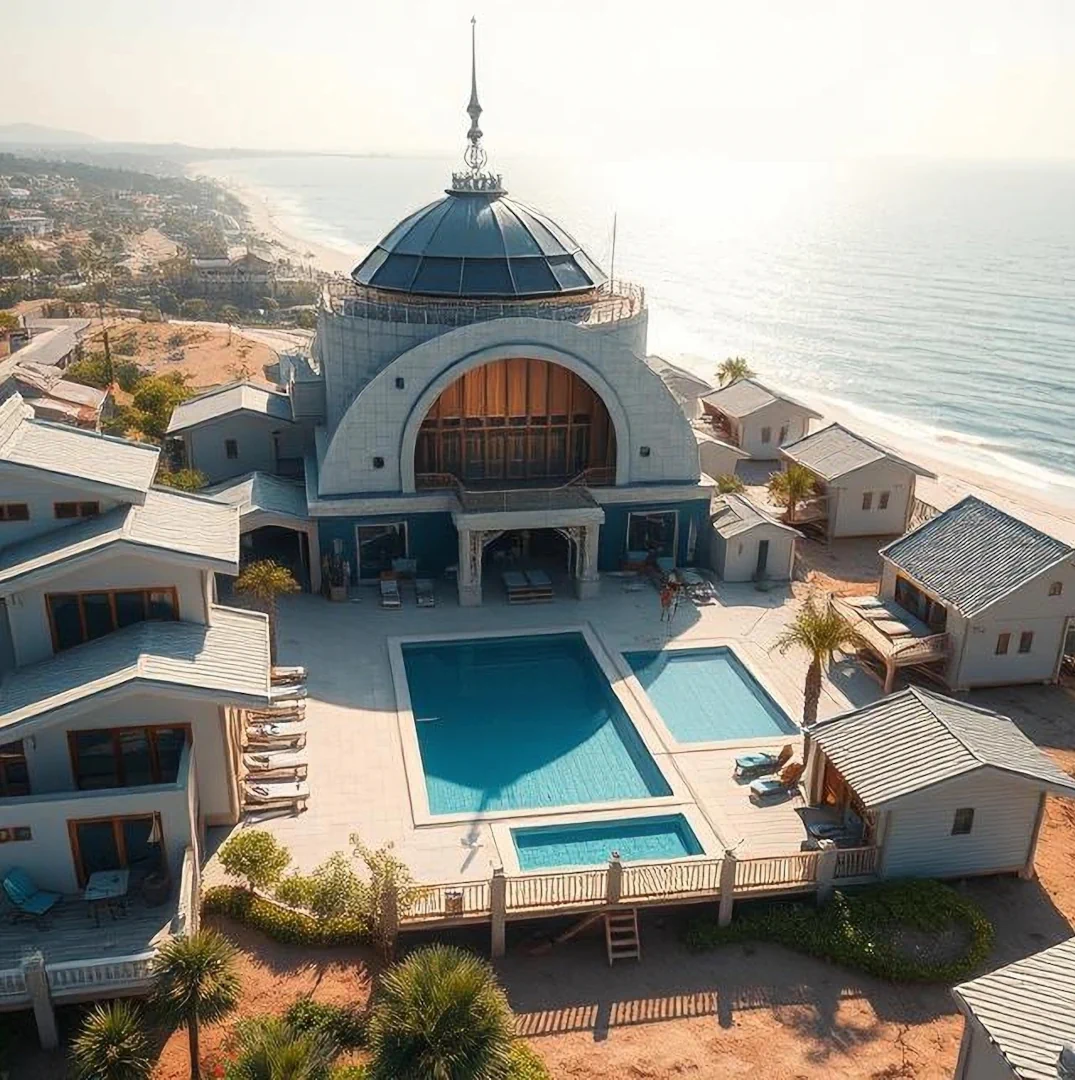
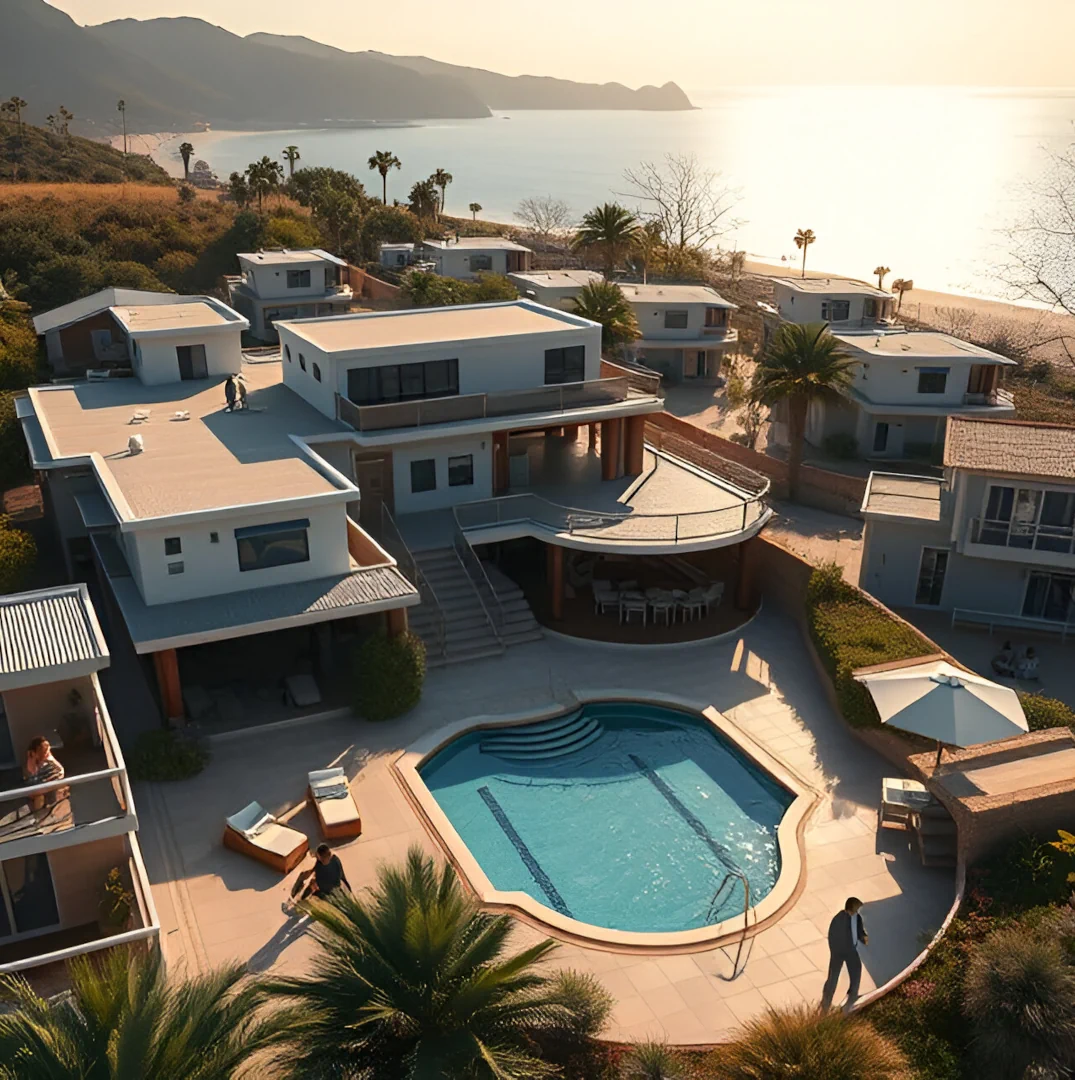
The shared spaces and amenities allow us to expand our private module and gain access to premium features —like co-working spaces, gym, laundry room, swimming pool, outdoor gardens or park, greenhouse, winter gardensvehicle charging station, etc.
 
Economies of scale —both in construction and in the administration and operation of these spaces— enable access to wholesale prices and time optimization at nearly every level of day-to-day management for the member and the group.

DOWNLOAD WHITEPAPER

Whitepaper v1. More languages coming soon.

FREEDOM OF MOVEMENT

Instead of being tied down to a house or apartment through a lease or a deed, the second layer of decentralization is built in order to allow mobility between the different nodes of the Network.

This way, through a hybrid scheme that combines autonomy with automated cooperation and planning, we can move through a Network of spaces according to the needs of our work schedule, seasonal opportunities, vacation plans, and other circumstances.
 

Architecture and Design

As the last decade or two have proved, pre-fabricated construction drastically reduces costs and shortens delivery times.
 
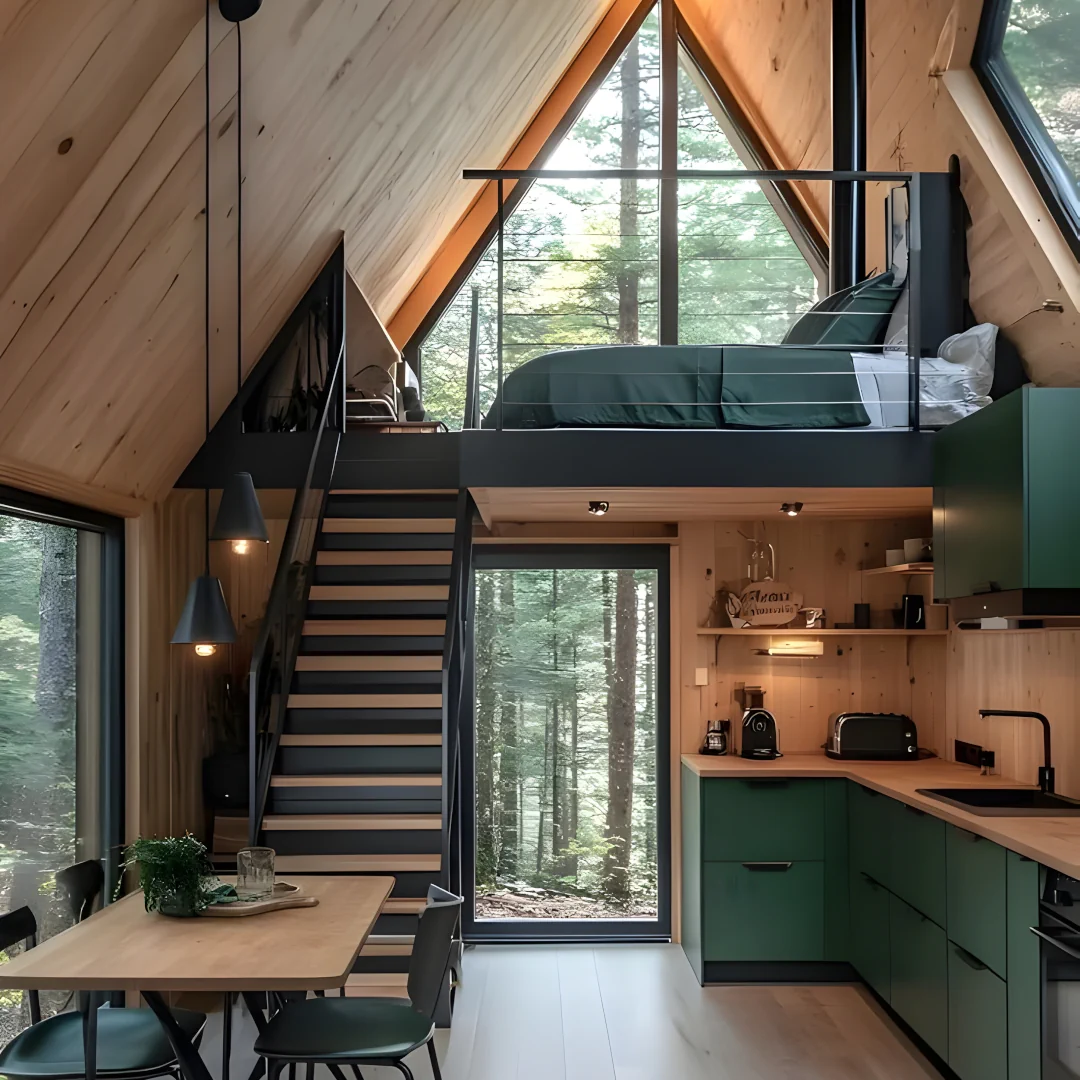
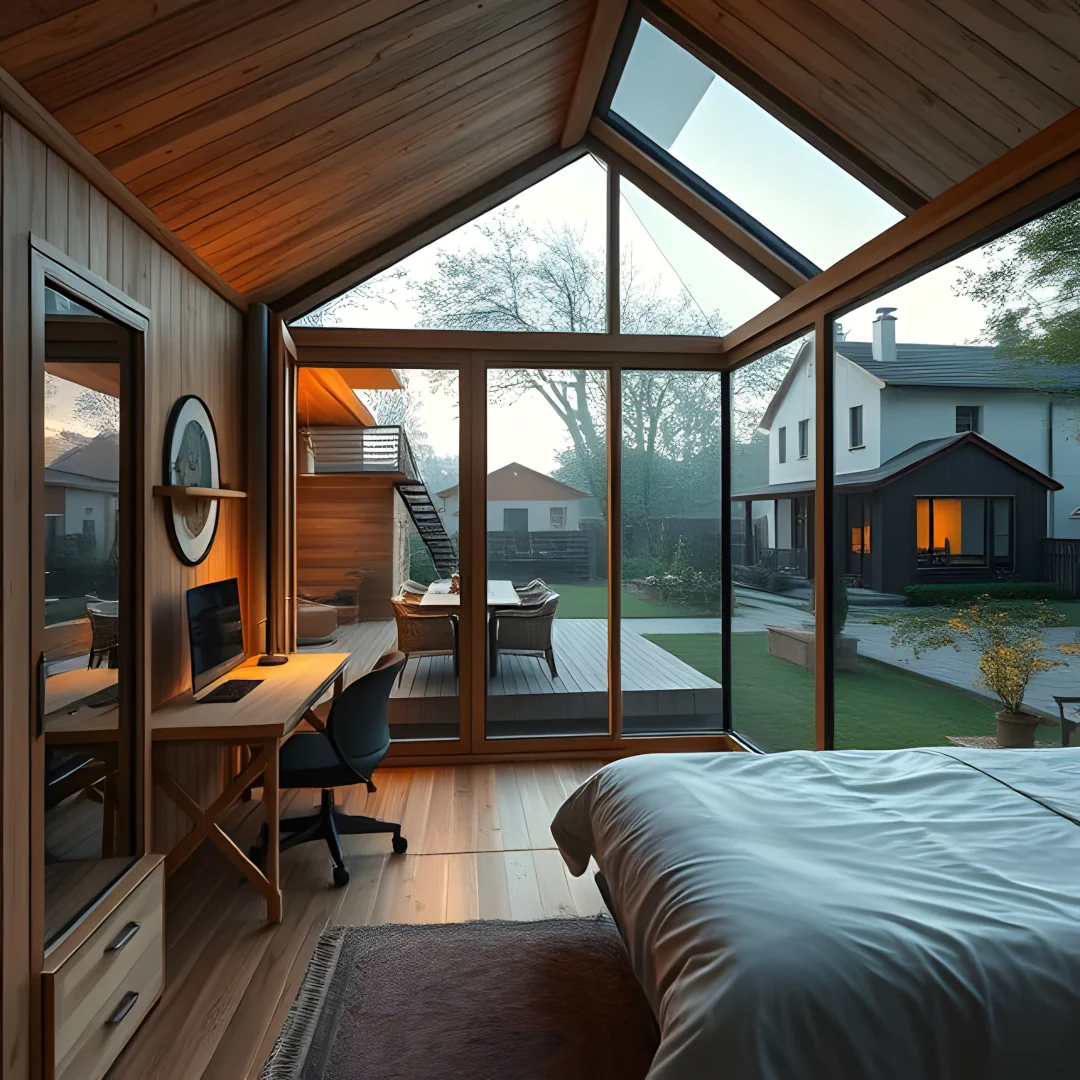
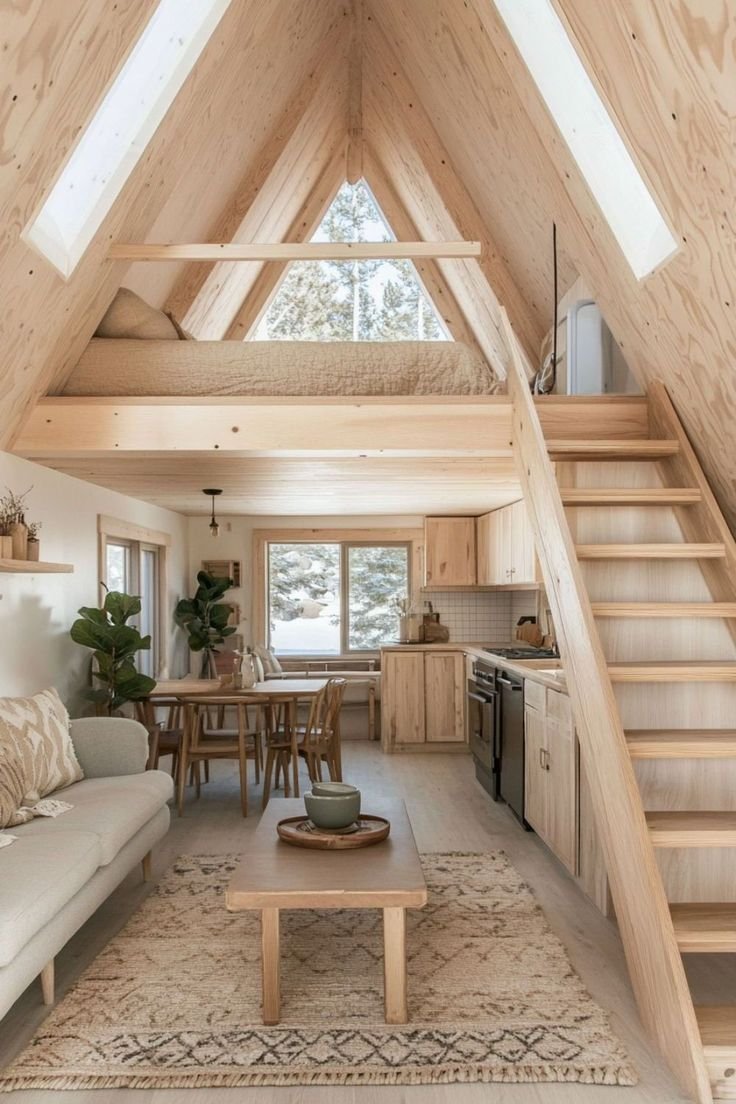
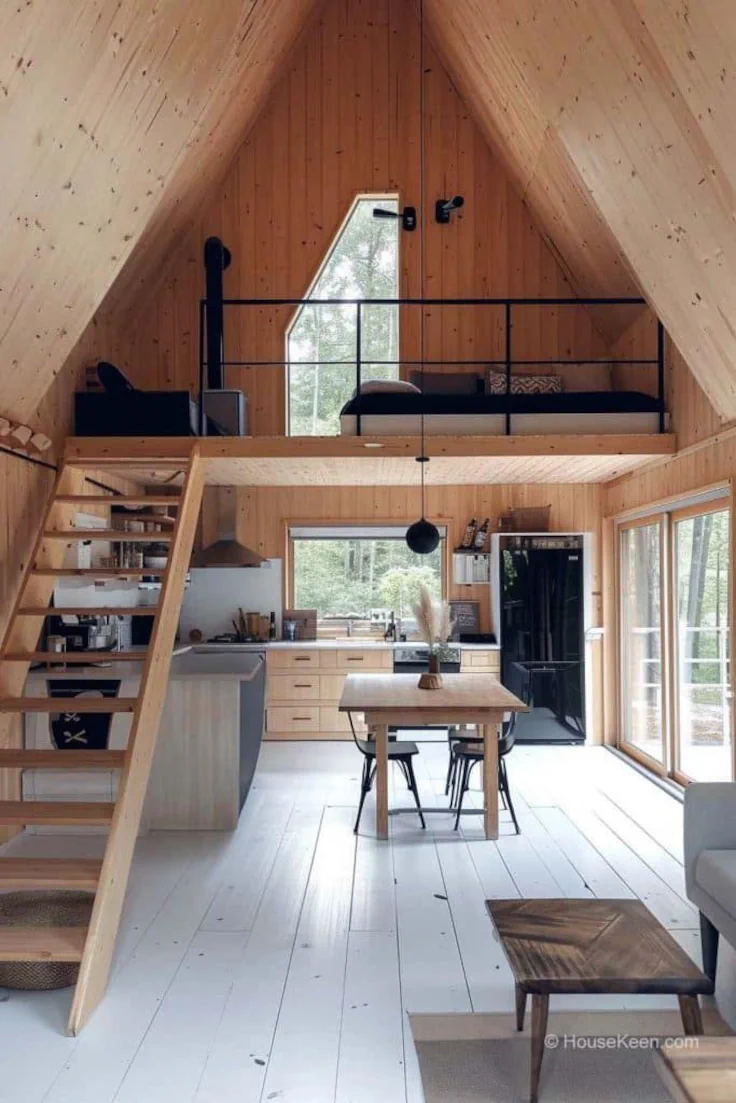
The individual modules —with dimensions, features, furniture, and an overall design specifically optimized for the 5.0 lifestyle— also help us guarantee privacy, silence, and other requirements of the digital nomad’s life, ensuring community interaction happens without major inconveniences.
Modules: Bedroom, private bathroom, kitchenette, deck, work desk. Autonomous but connected.
 
Common Hub: Smart amenities (co-work, cafeteria, green areas, workshop, gym).
 
Shared Infrastructure: Technology (Wi-Fi, solar power, batteries and backup electricity, rainwater collection, etc.) integrated with nature.
 
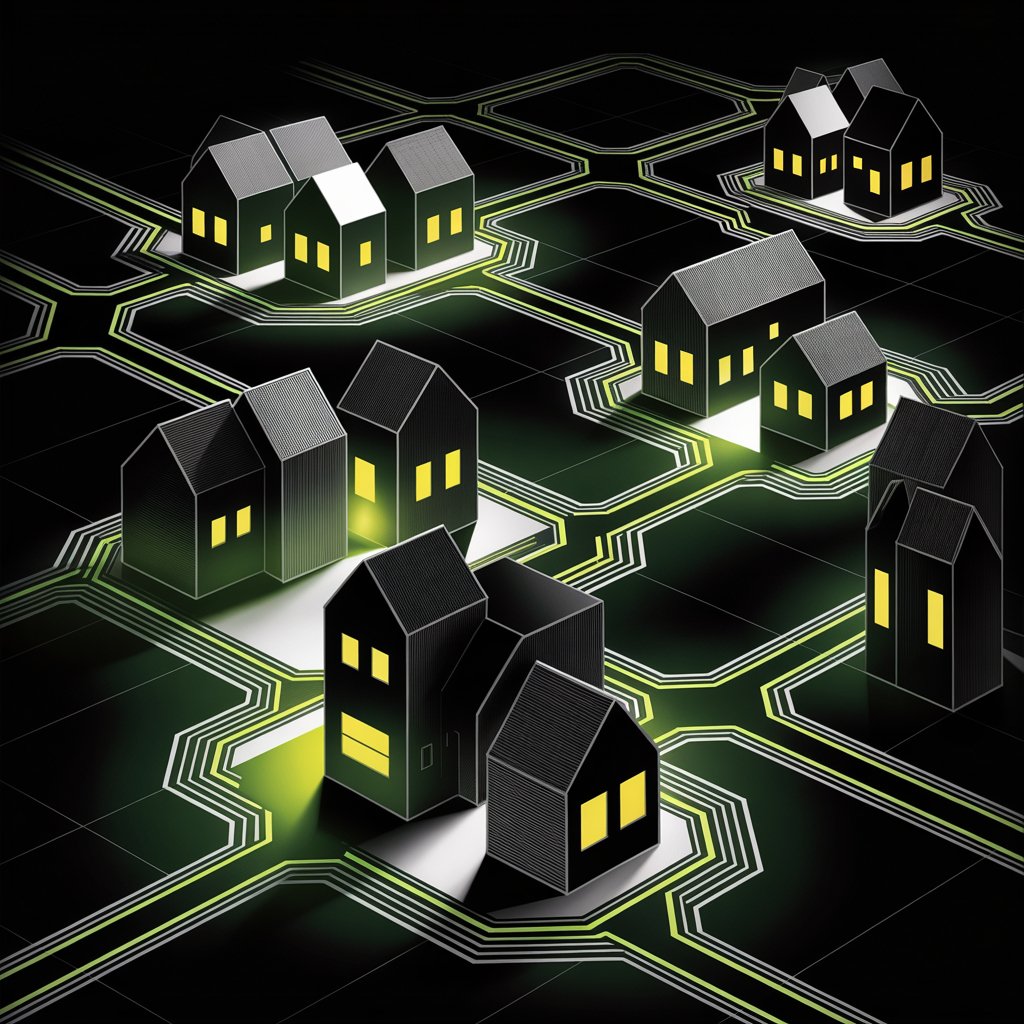
Physical Decentralization: Architecture based on self-organized micro-ecosystems, allowing for scalability, modularity and movement.
 
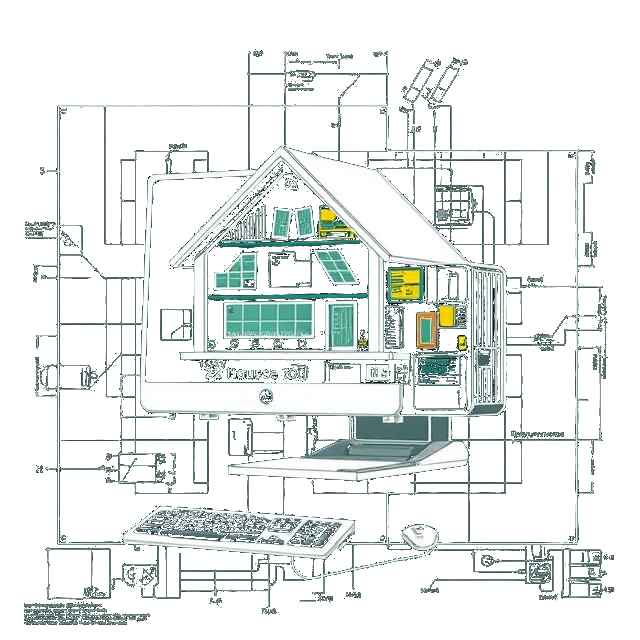
Invisible Digital Layer: DAO for governance, logistical management, reputation, bookings, etc., ensuring transparency and optimization.

Different sizes and configurations

The system can work for residences of 3, 5, 20, or more people. This will be dictated by the Network’s preferences, real estate or urban planning opportunities, and an early research and modeling stage.

Iteration can also occur in the size of the modules, allowing for flexibility and adaptability to different family, community, wheather and land configurations.
 
Different ways of participation and membership are also considered —such as renting, buying, and joining as an investor, worker, contractor (or a mix of these options).

Amenities and features

For easy day-to-day life and workflow

Optimized workspaces: Natural light, dedicated furniture, acoustic treatment, meeting rooms, etc.
 
Sustainability: Renewable energy, water capture and reuse, electric charging systems, sustainable construction, recreational spaces.
 
Digital Infrastructure: Guaranteed connectivity (satellite and/or fiber optic), automated scheduling and booking systems, logistics.
 
Geographical flexibility: The possibility to live alternately in different nodes (city, beach, mountains, small town, etc.), to plan routes, and more.
 
Complementary Business Models: On-site jobs (hospitality, gastronomy, maintenance, construction, etc.), associated productive modules, real estate investment opportunities, etc.
GET INVOLVED

The project is currently in its initial funding stage, selecting and acquiring land and properties, and developing the legal and digital infrastructure for the Network.
You can get details by reading the whitepaper or by getting in touch.